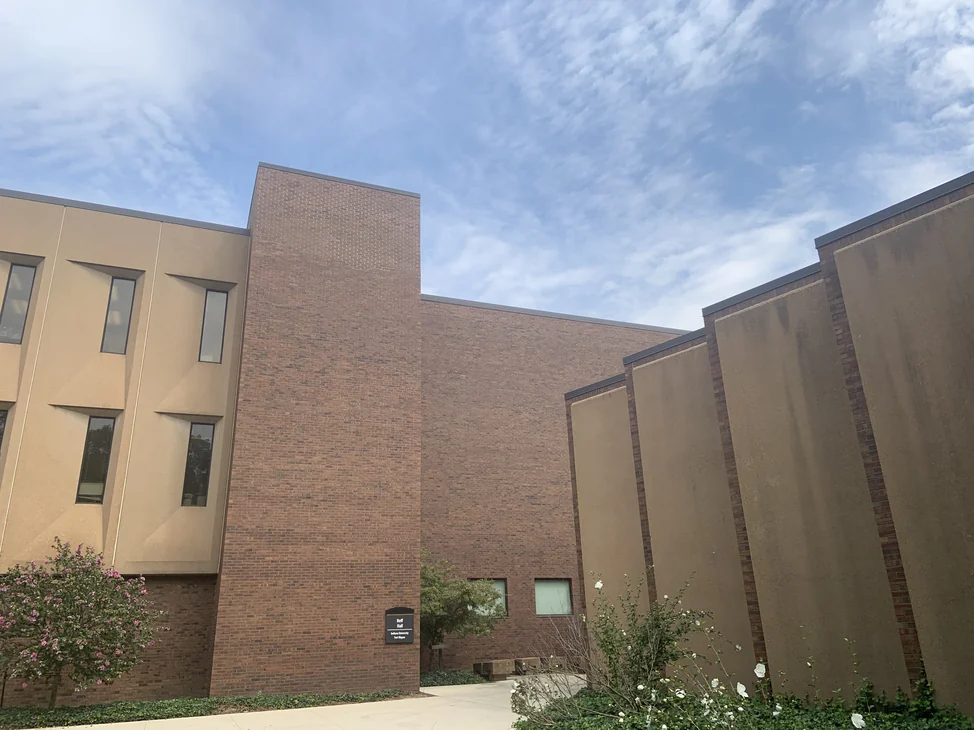
Why doesn't the new brick match?
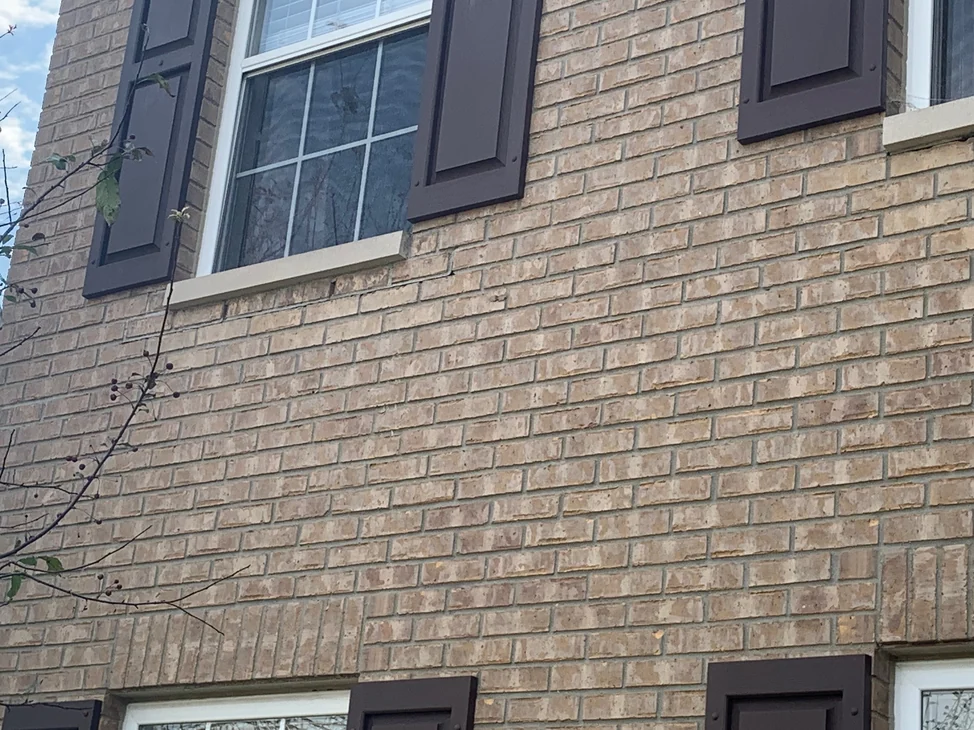
Usually because the brick it sits beside is no longer made. On a building of any age the original brick is often out of production, so the mason lays the closest brick available, and the difference shows from the street.
Sometimes the brick is new and still comes out wrong. Two production runs of the same brick can differ, a distributor can deliver pallets that do not match the rest of the house, and a multicolor blend laid unevenly reads as patches instead of a range. Matching production runs and correcting badly blended brick are both on the Brick Industry Association's list of accepted uses for brick stain.
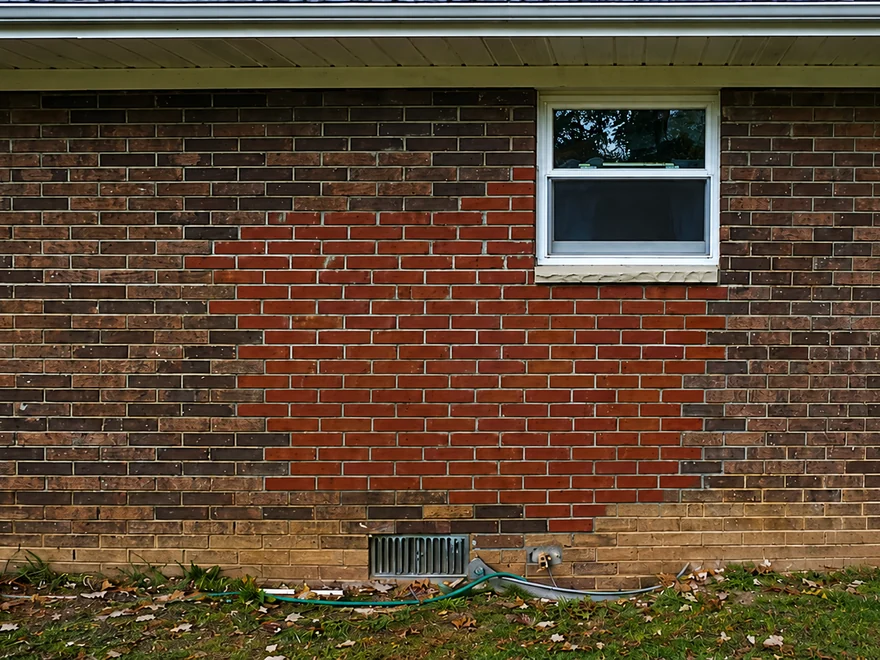
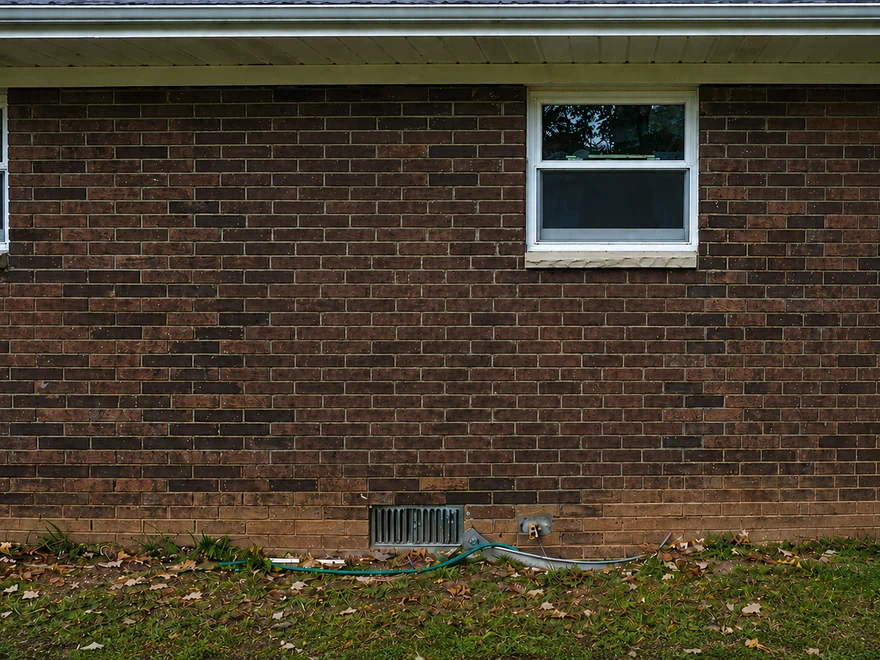
Which jobs need a color match?
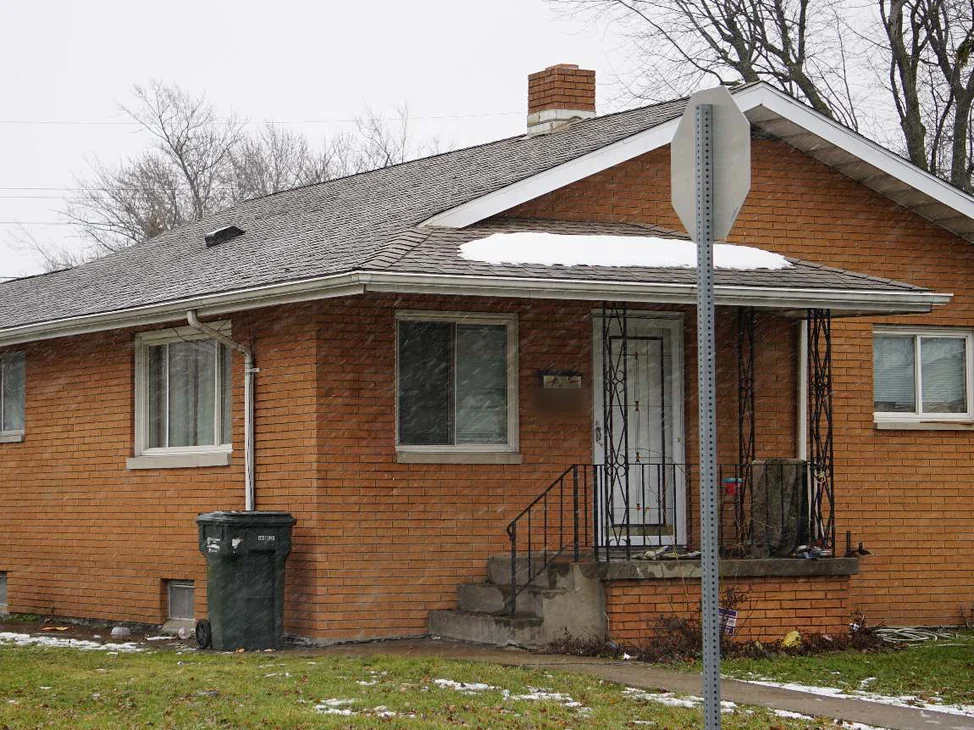
- Replacement brick after damage. A corner struck by a car, cracked or spalled units cut out and replaced. On a South Bend house hit by a car, the rebuilt corner now reads as the same wall.
- Repair patches and rebuilt sections. A wall section relaid after a repair, a rebuilt front wall, a run of brick under the windows.
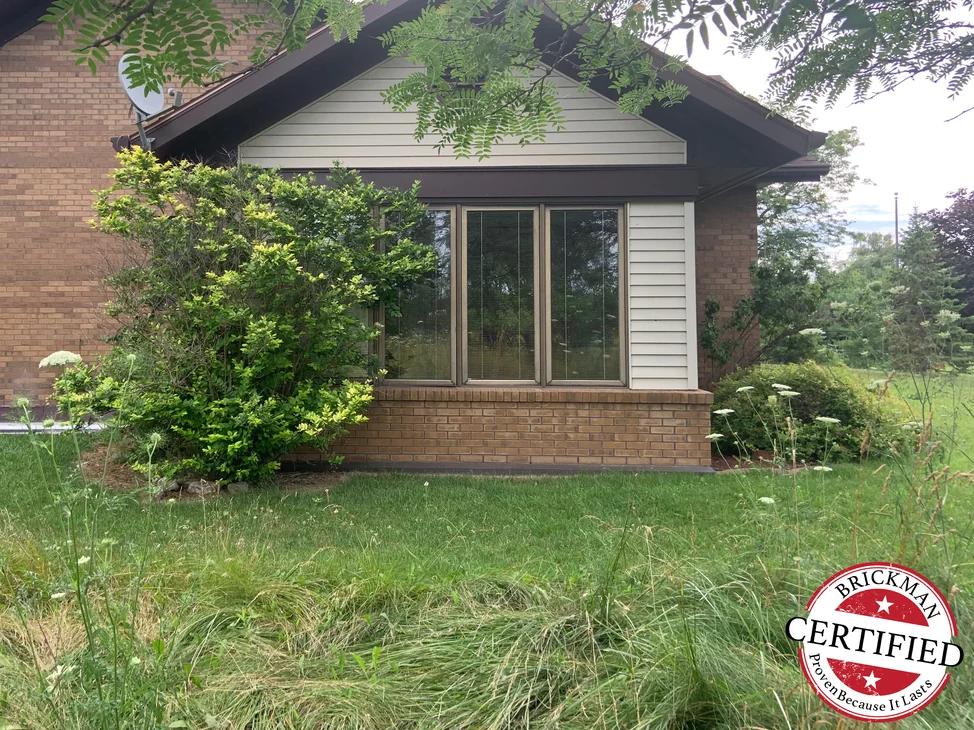
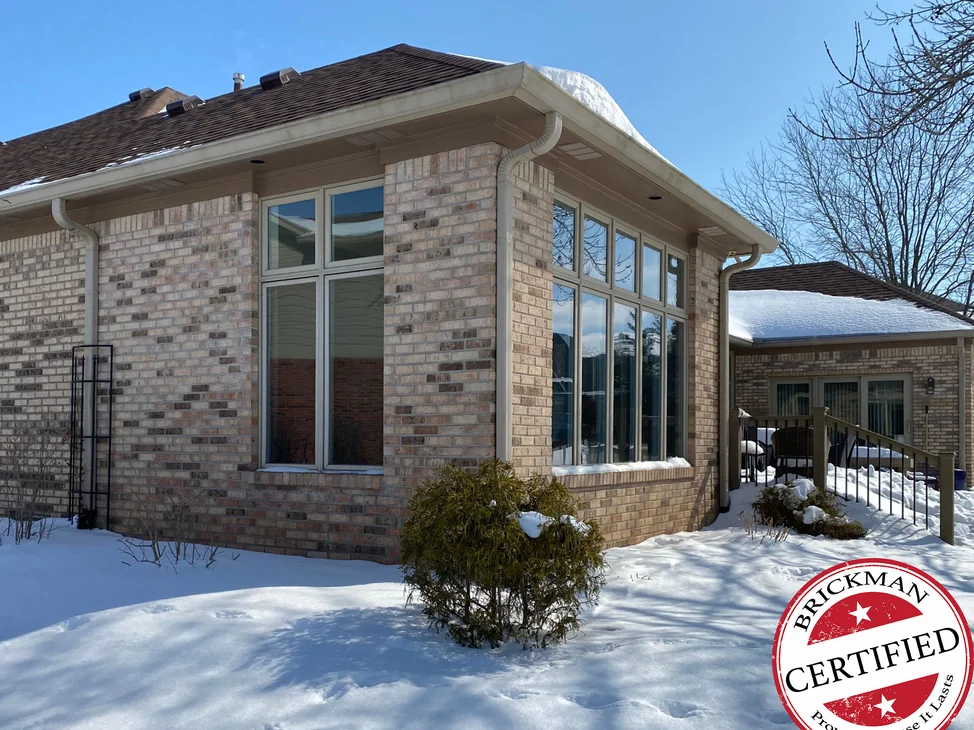
- Additions. A new room, wing or story built against an older wall. The match works in either direction: the new brick stained to the old, or the old toned toward the new.
- Infill. Windows and doors bricked in during a renovation, like the infill on an Indiana elementary school.
- Chimney rebuilds. A chimney repaired in brick that no longer matches the house, like this rebuilt chimney on an Iowa home.
- Lower walls and foundations. Brick replaced near the ground, where the new units show above grade.
Stain the new brick, or tear it out?
Stain it, when the replacement brick is the right size and texture and only the color is wrong. Tearing brick out and laying it again runs from a couple thousand dollars and a day's work to weeks of labor and tens of thousands, depending on how big the problem is. Staining the same problem usually costs about a tenth of that, or less. It also leaves the existing mortar in place, which the Brick Industry Association notes is often preferable to removing and replacing individual units or small areas of brickwork. For builders and owners weighing the two, stain or tear out mismatched brick covers who usually pays and when tear-out is still the right call.
Stain changes color. It cannot change a brick's size or surface texture, so if the replacement units are badly off in either, the better fix is the right brick. When you are choosing replacement brick, match the size and texture and leave the color to us. If the original brick is still made, use it, and you may not need us at all. The full matching method, step by step, is on our brick stain colors page.
What does brick color matching cost?
Most corrections, repair patches and addition matches run $400 to $8,000, depending on how much wall is involved and how many coats the color takes. One recent job: a brick distributor delivered pallets that did not match the rest of a home, and the new section came out patchy. We matched it to the existing brick in one day, for about $5,000. What moves the price most is time on the wall, set by the number of coats and how many colors the match has to reproduce. You get a firm price in writing before we start, and the brick staining cost guide has five real job prices.
Is the match permanent?
Yes. Mineral stain soaks into the brick instead of forming a film, so it does not fade or peel, and a matched repair stays matched. Every Bramwell-McKay staining project is covered by a lifetime warranty on workmanship and materials, for the life of the masonry, delivered in writing when the job is done. The stain we apply is made by Masonry Cosmetics, and the warranty terms are published in full.
Who calls us for a match?
Homeowners, after a repair or an addition. Masons and builders, when their new work stands out before a closing. Brick distributors and manufacturers, when a delivery went into the wall off color. Who pays depends on the arrangement between them, and a match on the wall usually ends the argument over whose fault it was. Builders working to a deadline can see how we handle color fixes for builders and contractors.
If it is the joints around the new brick that stand out, that is mortar color correction, and it is often done in the same visit. We work from Carmel across Indiana, including brick staining in Indianapolis, Carmel and Bloomington.