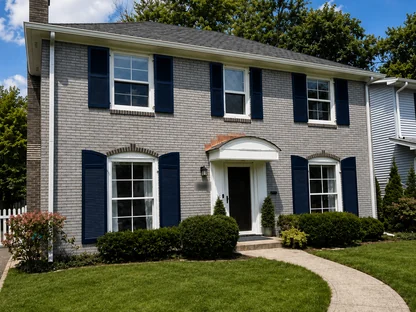
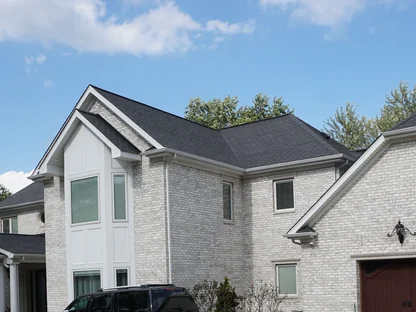
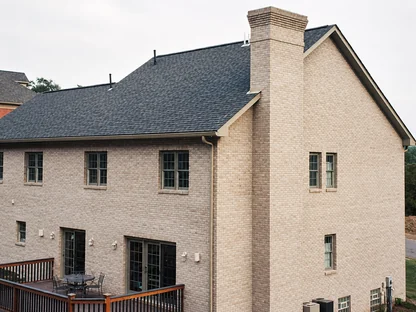
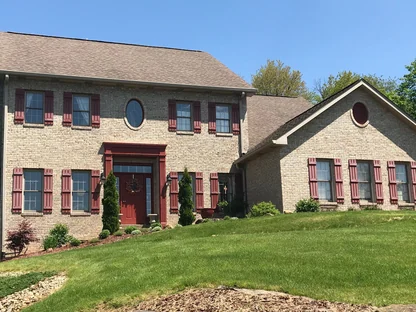



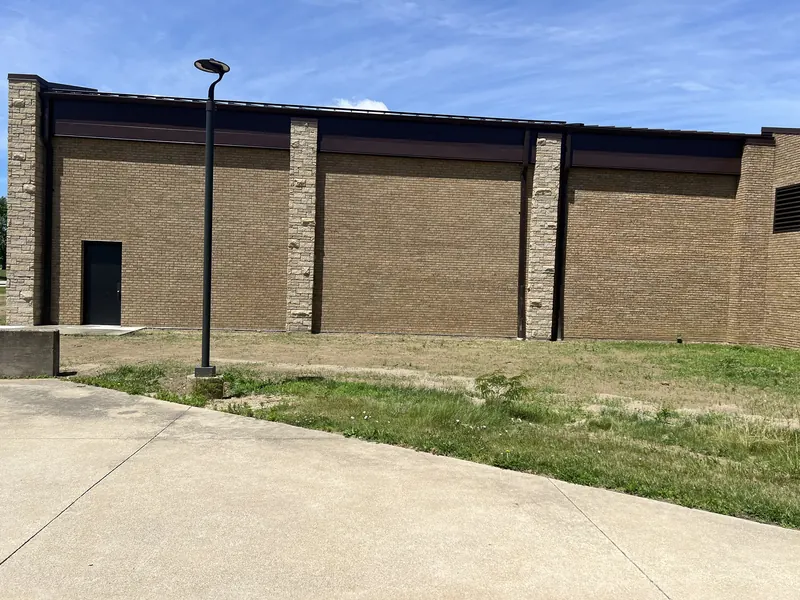
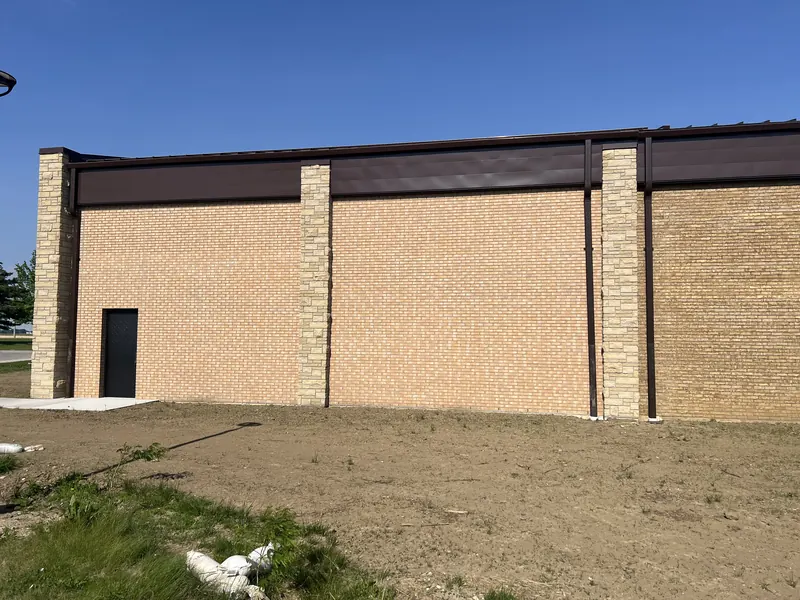
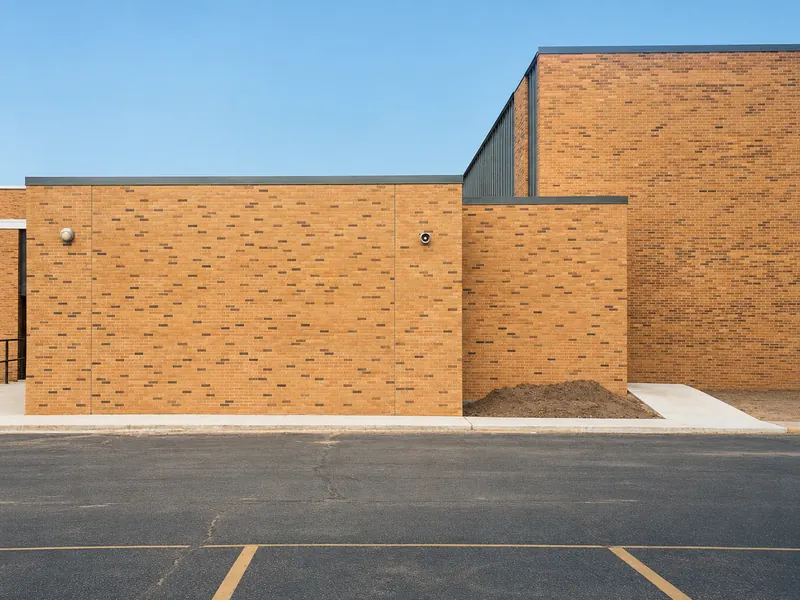
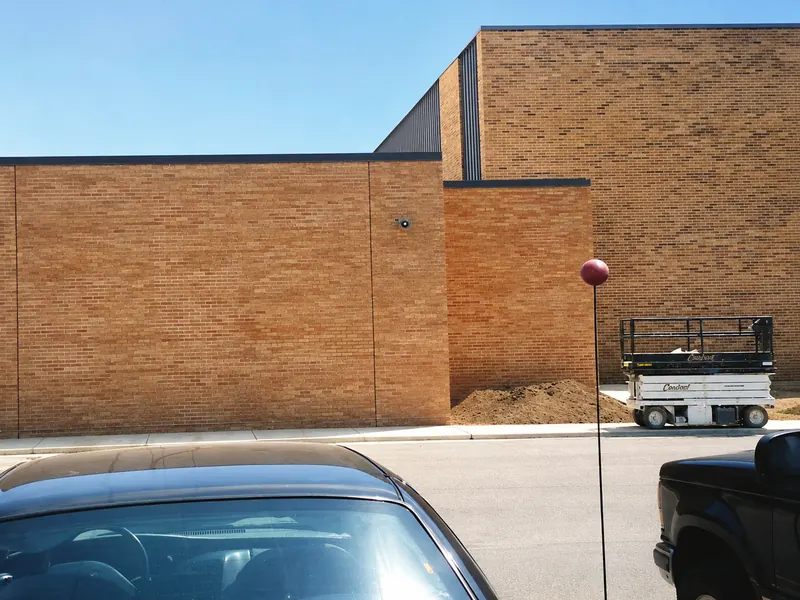
Matching masonry that already exists
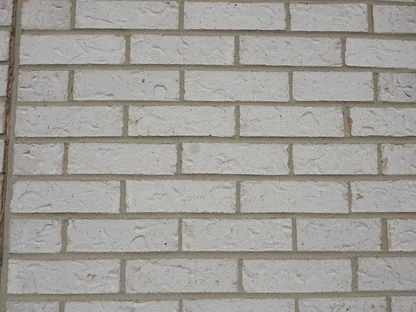
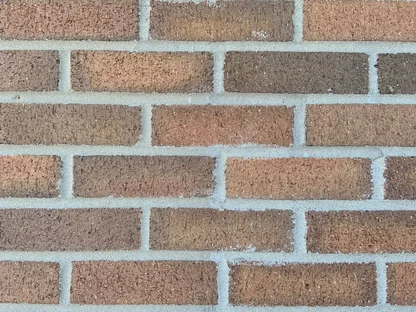
Matching does not depend on locating the original brick, which on a building of any age is usually out of production. It depends on separating the two things a stain can and cannot change.
-
Look for the original unit first
If the brick is still in production, staining may not be the right answer at all, and we will say so.
-
Select a donor brick for size and texture, not color
Stain changes color. It cannot change a unit's dimensions or its surface character, so those are chosen at the source and color is left until last.
-
Calculate the blend
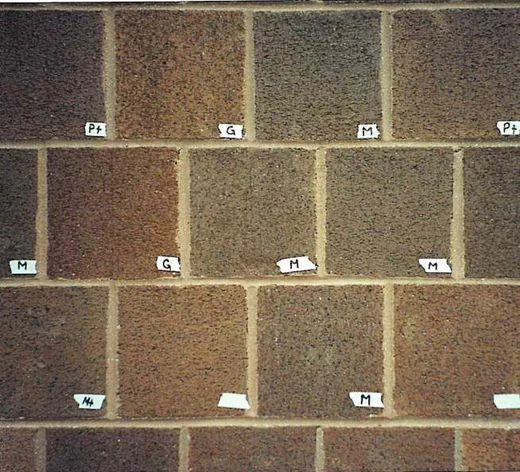
The shades present in the existing wall are identified and their percentages counted, then the stain schedule is set to reproduce that ratio rather than an average of it.
-
Prove the pattern on a panel, then stain
The blend is verified on a sample panel at the join before any of the elevation is committed.
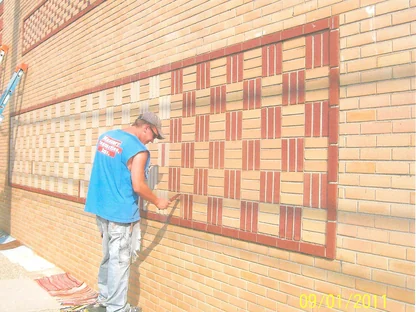
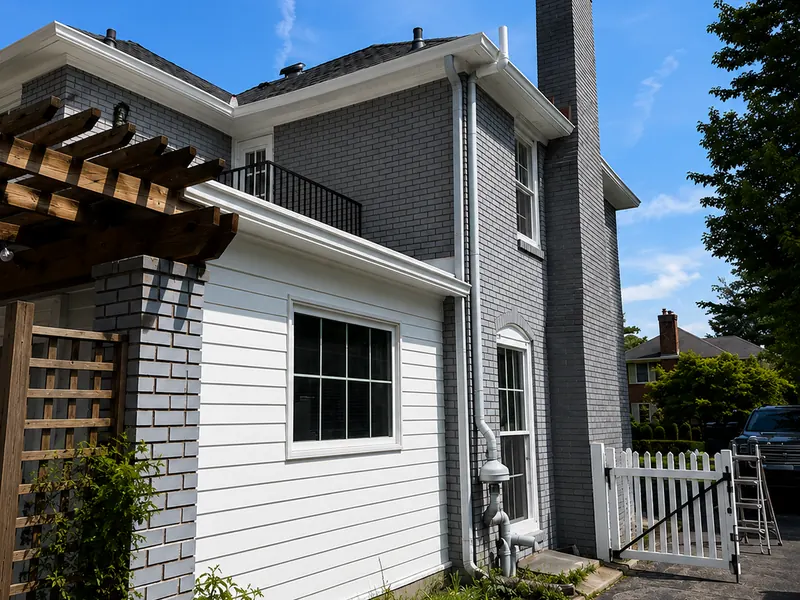
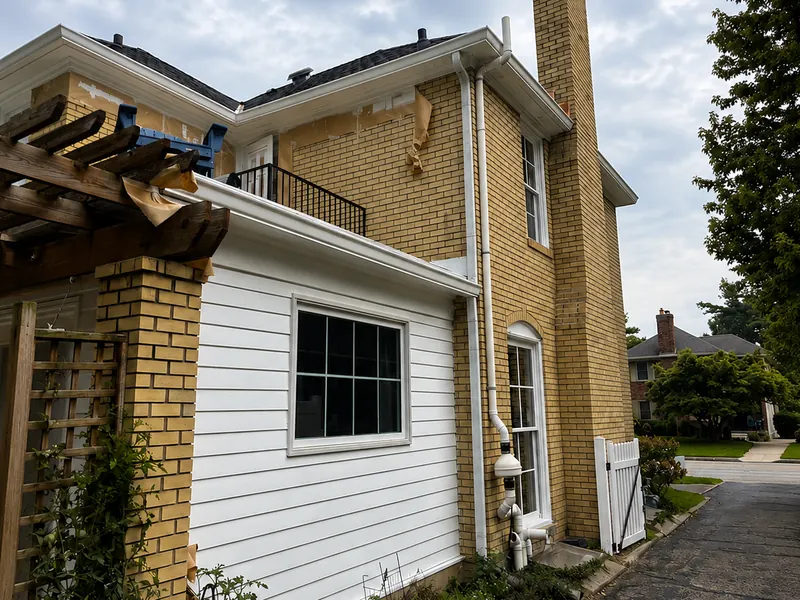
Mortar joints can be stained on their own, or with the brick, when the joint color is what is holding an elevation apart. This is the same work in both directions: new masonry can be brought to old, and old masonry can be brought to new.
Mockups, submittals and approval
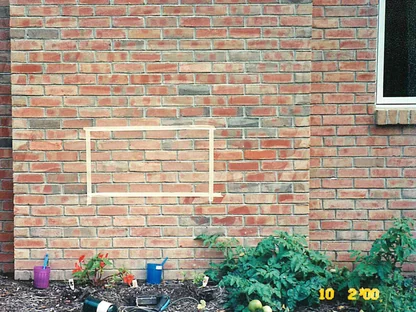
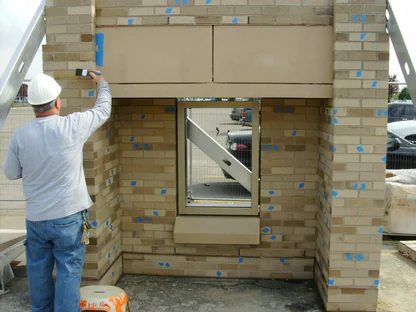
The specification asks for two sample objects, and both are physical: up to five color enhanced loose units for color matching, and a field sample created on a 10 sq. ft. area of the actual surface of the building to be stained.
Color is approved on the substrate, never from a chart. A sample area is masked off on the actual wall, the target color is built coat by coat, and it is adjusted until it is signed off. Nothing else on the building is stained until that has happened.
On institutional projects the approved mockup becomes the reference standard the full application is signed off against. If a mockup color is rejected it is adjusted and re-approved; it is not overruled.
Two qualification submittals sit alongside the samples. The applicator submits ten jobs completed over fifteen years, each with its completion date, precise location, product used and before and after photographs; and the specification sets a floor of twenty years of successful in-service performance for both the applicator and the manufacturer.
What the color is, and what decides whether it takes
The pigment is an 80 to 100 mesh mineral oxide, identical to the natural pigments used in brick manufacturing, carried in water with a proprietary bonding chemical that changes from liquid to solid as the work dries.
It is not film forming, and there is no acrylic or latex in it. The pigment is absorbed and bonds with the clay substrate rather than bridging across it, which is what keeps the texture and the tonal variation of the existing masonry readable after the color has moved.
On vapor permeability the Brick Industry Association is class level rather than brand level: mineral based stains, the class this system belongs to, are preferred due to their high water vapor permeability
.
Two limits are worth putting in front of a specifier early. Glazed brick cannot be stained, because the exposed surface is impermeable, and some unglazed brick with dense surfaces will not successfully receive a masonry stain either. Any coating, sealer, oil, wax or curing compound has to come off first, since anything that stops pigment reaching the pore structure stops the system working. This is why the water test is not a formality.
There is no ASTM standard to cite here, and that absence is itself the citable fact: historically there have been no formal technical resources or ASTM standards related to stain materials or their application, because formulation and application are proprietary and differ between practitioners.
What the BIA recommends in place of a standard is documented history: use contractors and products with demonstrated performance on similar assemblies in similar climates, and validate that with references carrying photographs and addresses. That is the whole reason this site publishes its project record with dates and years elapsed instead of a specification sheet full of numbers nobody measured.