Stain or Tear Out Mismatched Brick? Builder Options
Most mismatched brick can be stained to match on the wall instead of torn out. In Kate Vienna's experience, a tear-out runs from a couple thousand dollars and a day's work to a week of labor or more and tens of thousands of dollars. Staining the same defect starts at a $1,000 to $2,000 touch-up.
The short answer: stain it, unless the brick is glazed or too dense to absorb stain. Kate's estimate is that a stain correction costs about a tenth of a tear-out or less, and the wall, the mortar and the schedule stay where they are.
Why does brick go up the wrong color?
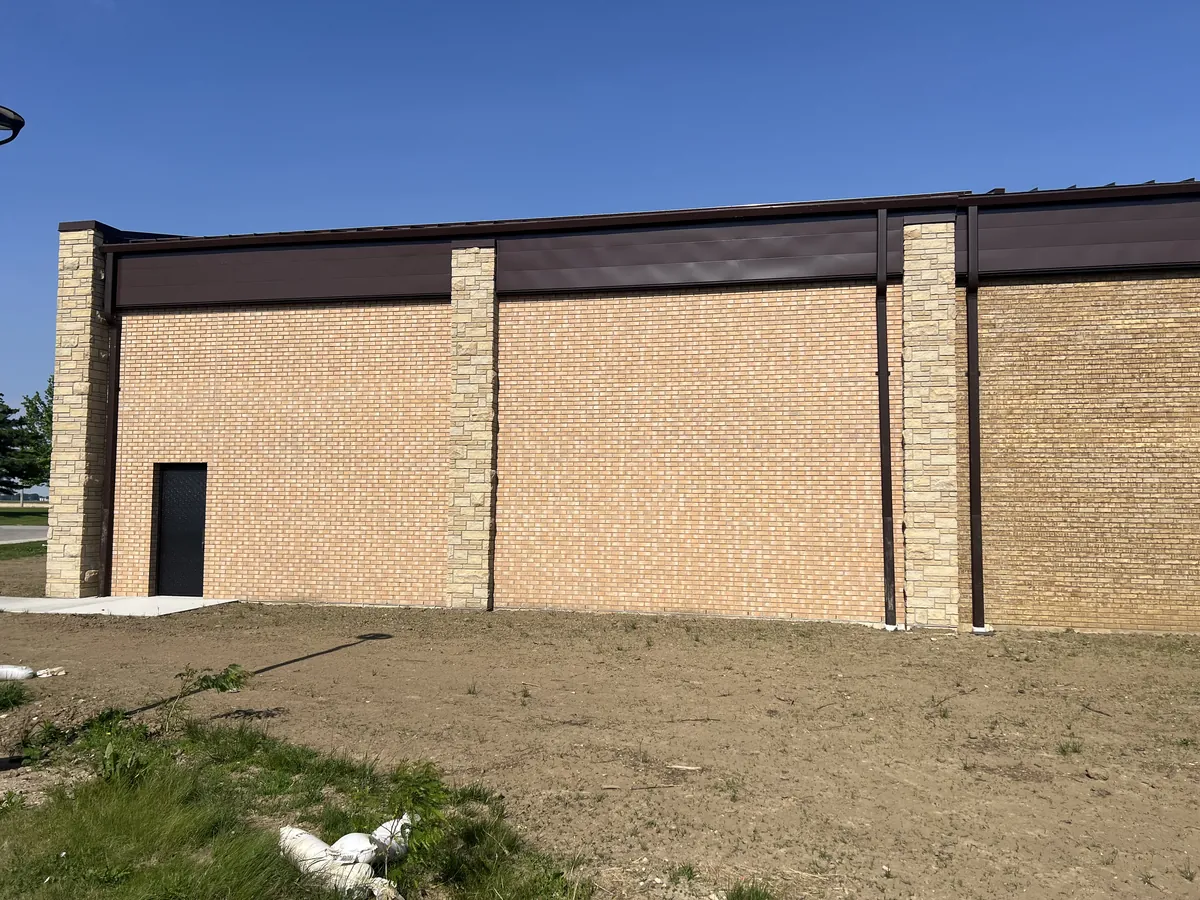
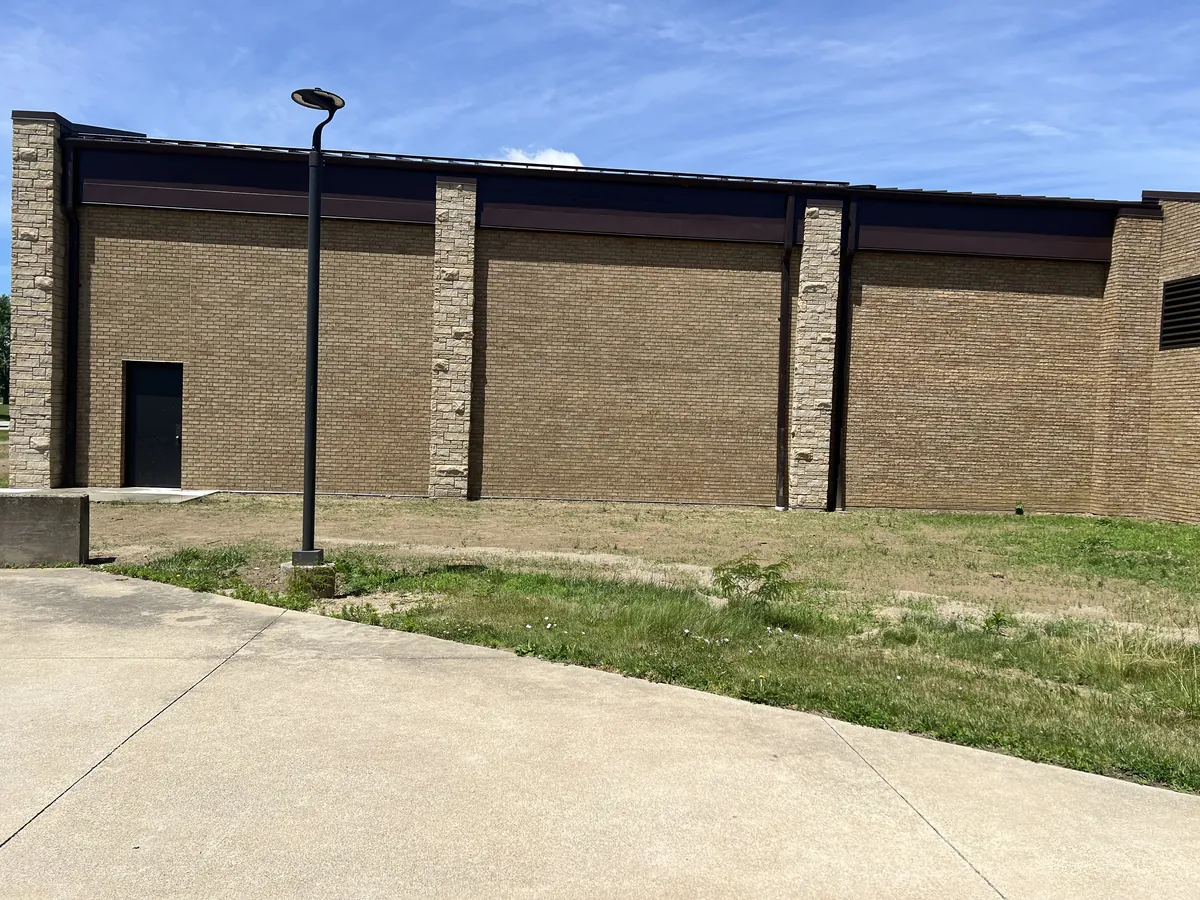
Mismatch happens a great deal in construction, and it usually comes from one of two places. The first is contractor error. A multicolor blend only reads as a blend when the units from each pallet are spread through the wall. Laid out of order or in clumps, the same brick produces bands and patches the design never called for.
The second is a defect in the brick itself. A manufacturer or distributor ships pallets with a color problem, and the masons lay them up without knowing. Often nobody sees it until the building is complete and the mortar has dried, which is the point where removal costs the most.
Both are recognized problems with a recognized fix. The Brick Industry Association lists correcting improperly blended brick colors and matching different production runs among the accepted applications of brick staining.
What does it cost to replace mismatched brick?
Kate's range for a tear-out runs from a couple thousand dollars and a day's work to a week of labor or more and tens of thousands of dollars. Where a job falls depends on how big the defect is. Before stain could match brick reliably, tear-out was the standard answer, and it was not only demanding owners who asked for it. In Kate's words, "really anyone at all would demand that it is torn out and replaced simply for aesthetic purposes."
The BIA describes the same costs from the other side. Staining avoids "the scheduling, time, expense and cleaning associated with demolition and reconstruction" and "allows the existing mortar to remain in place."
| Factor | Tear out and relay | Stain on the wall |
|---|---|---|
| Cost, in Kate's experience | A couple thousand dollars to tens of thousands | From a $1,000 to $2,000 touch-up upward; about a tenth of a tear-out or less |
| Labor | A day to a week or more | Priced by crew time and coats |
| Existing mortar | Comes out with the brick | Stays in place |
| Demolition and cleanup | Yes | None |
What does staining a brick mismatch cost?
Most builder and distributor scopes land between $400 and $8,000. Kate puts a touch-up of a few off-color units at $1,000 to $2,000, with larger corrections scaling up from there. Her estimate is that staining saves about 90 percent against tearing out and replacing the same masonry, "a tenth of the cost or even less."
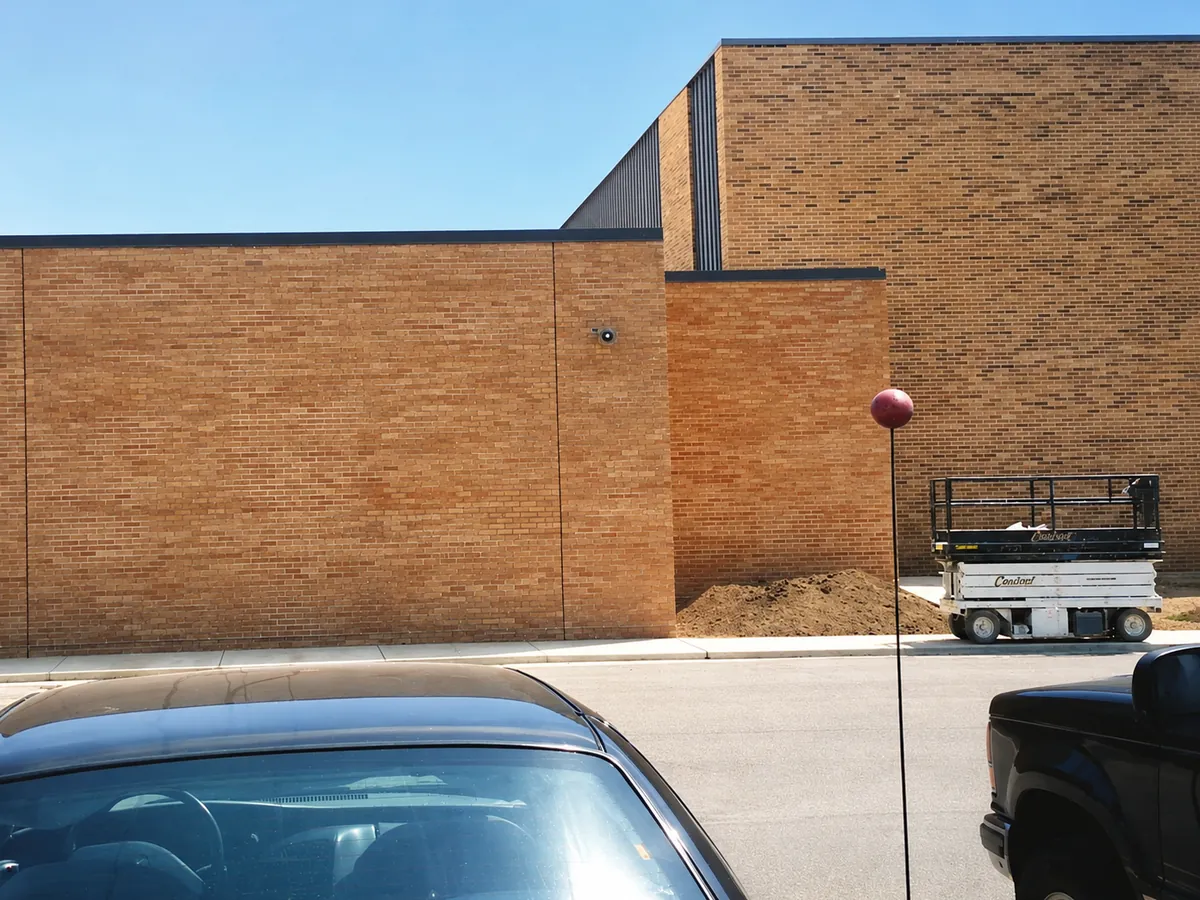
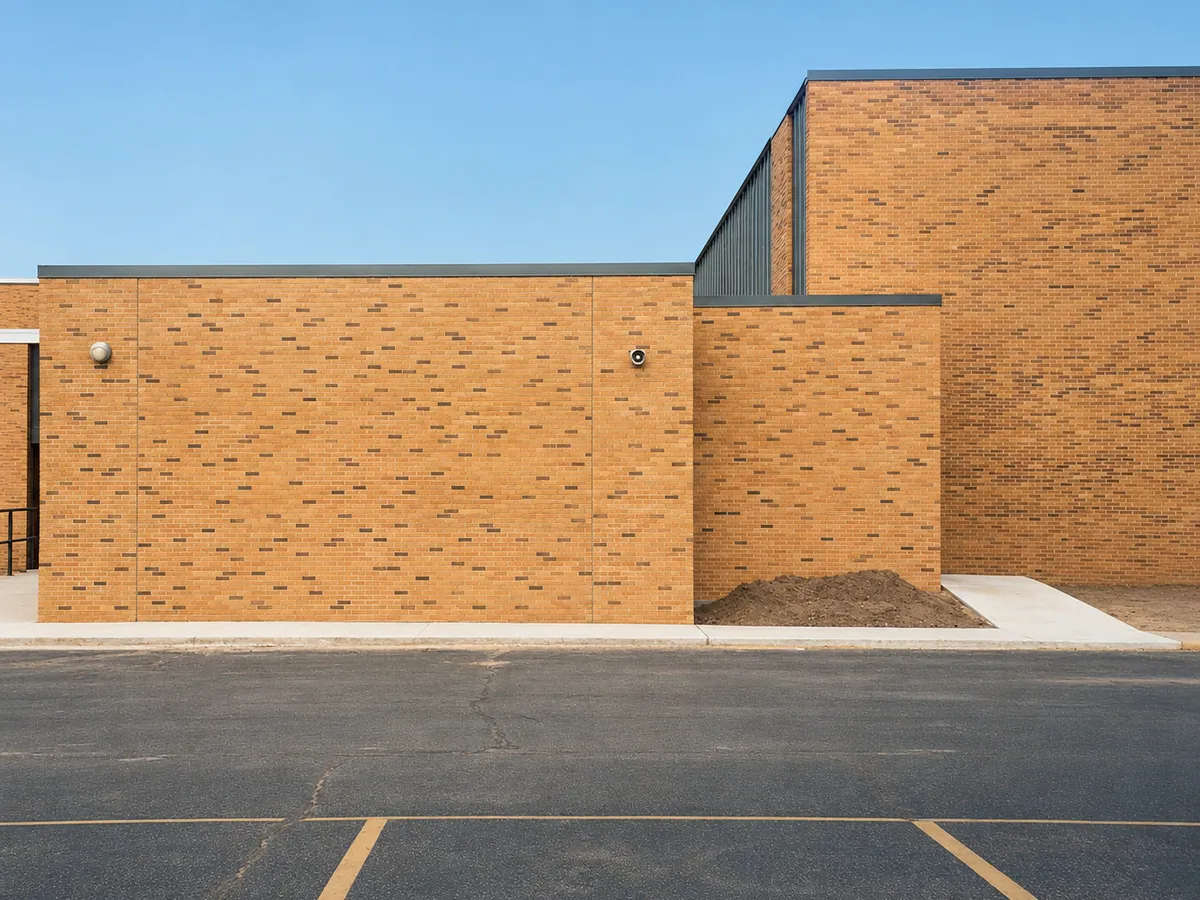
Two recent jobs show the range. A brick distributor had a couple of pallets arrive on a home that did not match the rest of the house, and that section came out patchy. We matched it to the existing brick in a single day, for about $5,000, one of five recent job prices we have published. On another job a section of mortar was finished quickly and came out a different color from the rest of the building. We stained those joints to match for about $4,000.
Price follows crew time and the number of coats, not square footage. A one-coat touch-up and a four-color blend match are different jobs on the same size of wall. When a small job is urgent and a crew has to be pulled from another site, there is a premium, and you get that number before the crew rolls. Scopes, response times and addition matching are covered on our page for brick staining for builders, GCs and distributors.
Who pays to fix mismatched brick?
Whoever the parties agree is responsible. Our clients for mismatch work include brick and stone manufacturers, distributors, general contractors, designers and the contractors themselves. Where the cost lands depends on their arrangement and on who they decide is at fault.
The documented case files show the brick maker carrying it more than once. On an Ohio building, light brick went up all over the walls and the owners rejected it. The alternative on the table was tearing it down; instead, the brick manufacturer paid to have the light units stained into range in 2002, and the wall was photographed again seventeen years later. On a Plymouth, Michigan office in 2005, the manufacturer again hired the correction rather than a tear-off. In South Bend, a brick distributor hired the color work on an office addition whose original brick was out of production.
The cost that is not on the invoice
The brick is only part of the bill. A mismatch can have several possible causes, so working out whose fault it is takes hours and operating expense, with every party pointing at another. When a tear-out is on the table, the figures are large enough that litigation can follow. Even when the blame lands on the right party, those hours are already spent.
A known fix changes the conversation. When everyone on the job knows the off section can be stained to match, the stainers go out, the affected areas are corrected, and the question of fault stops holding up the building.
When is tear-out still the right call?
When the brick cannot take stain, or when the problem is not color. Glazed brick cannot be stained, and some dense unglazed brick will not absorb it, so a water test on the wall comes before any quote. The test takes about a minute. Stain also changes color only. It cannot change a unit's dimensions or surface texture, so brick that is the wrong size or the wrong face is a masonry problem, not a color problem.
How a mismatch correction runs
- Send photos of the wall and the deadline. You get a number in writing.
- The brick gets a water test to confirm it will absorb stain.
- Color is mixed on site and tuned against the existing masonry, coat by coat. Where the wall runs several shades, the percentages are counted and reproduced rather than averaged.
- You approve the match on the wall before the full run.
- The stain is brushed on by hand, unit by unit. Nothing is sprayed or rolled.
Mineral stain is absorbed into the brick rather than forming a film on it, so a matched section stays matched. The work carries our lifetime warranty: if the color ever deteriorates enough that a casual observer would notice, the affected area gets a fresh application at no cost.
Common Questions
Does staining mismatched brick cost less than replacing it?
Yes, by a wide margin. In Kate Vienna's experience a tear-out runs from a couple thousand dollars to tens of thousands, while a stain touch-up starts at $1,000 to $2,000. Her estimate is that staining costs about a tenth of a tear-out or less.
How fast can mismatched brick be corrected?
Small urgent scopes can often be worked into the schedule within days. One recent correction, a couple of off-color pallets on a home, was matched in a single day. If a crew has to be pulled to make a deadline, the premium is stated up front.
Can mortar that dried the wrong color be stained?
Yes. Staining mortar joints alone is one of the accepted applications the Brick Industry Association lists. On one recent job, a section of mortar finished quickly came out a different color, and staining the joints to match the rest of the building cost about $4,000.
Will the stained brick drift out of match later?
No. Mineral stain is absorbed into the brick and forms no film to peel. It is covered by a lifetime warranty: if the color ever deteriorates enough that a casual observer would notice, the affected area gets a fresh application at no cost.
Discuss a Mismatch
Photos of the wall and the deadline are enough to start. You get a number in writing.
Request a Quote