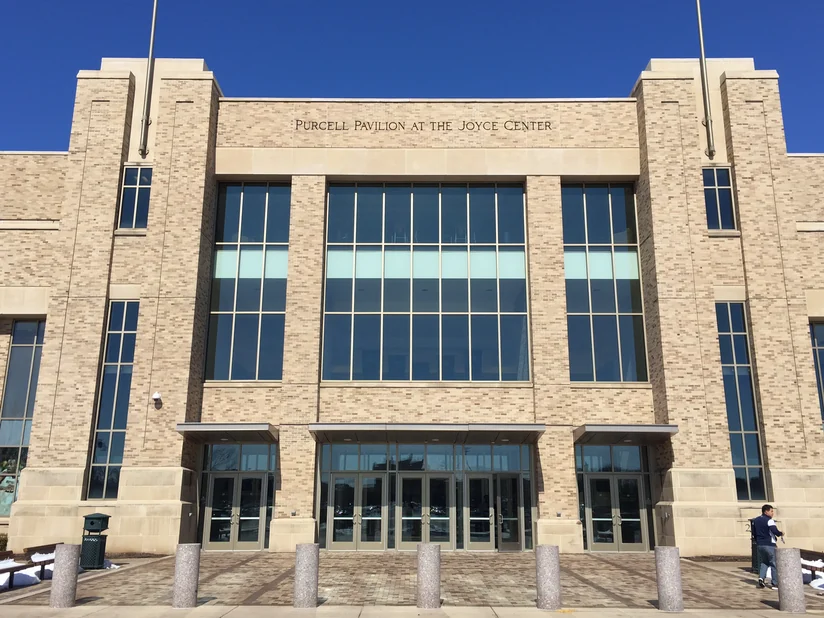
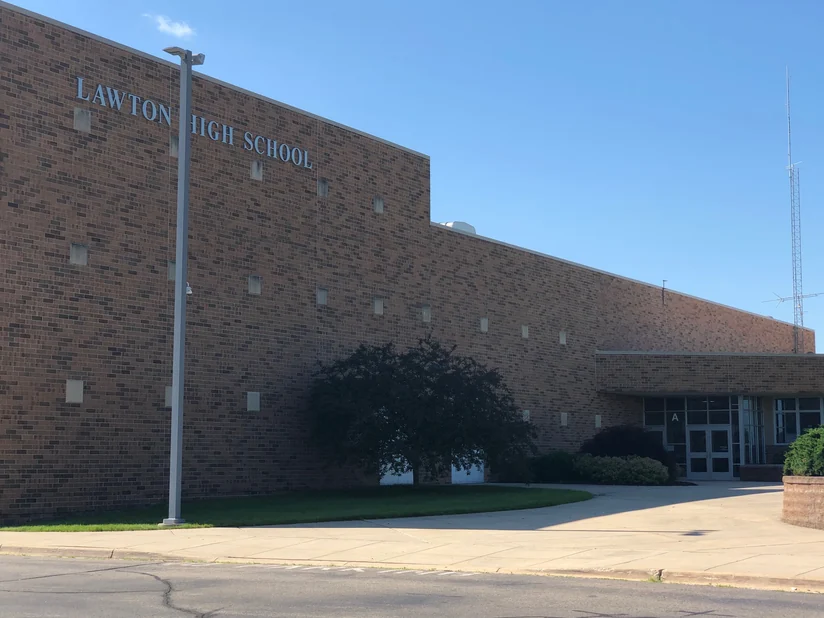
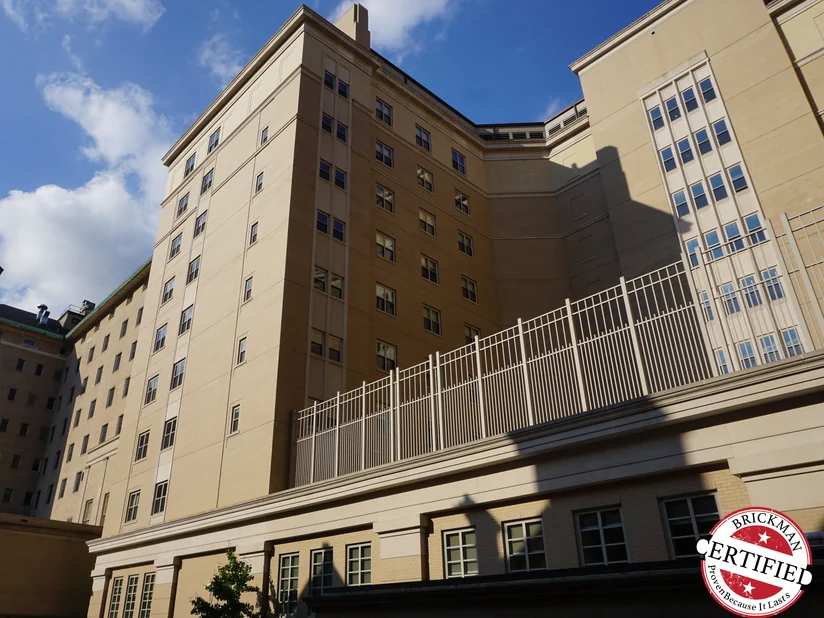
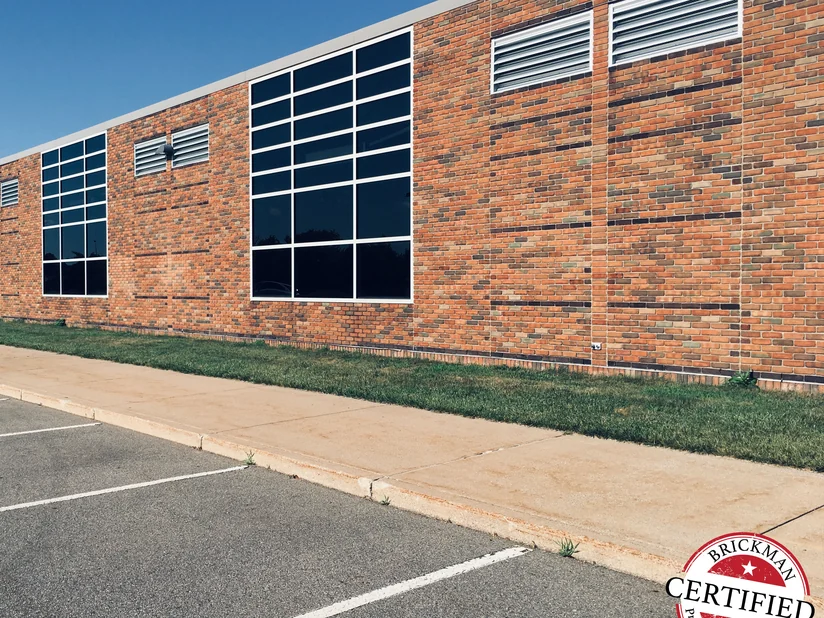
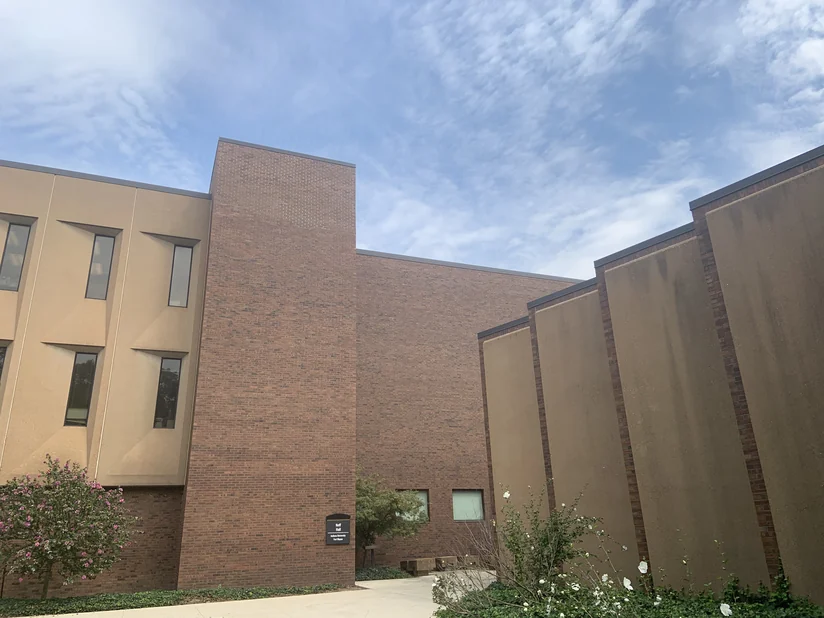
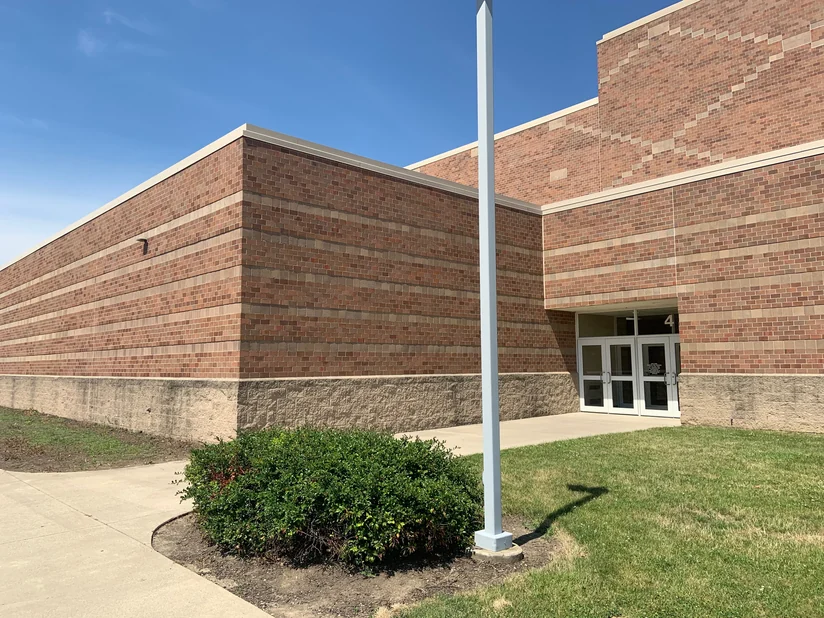
What does a campus color change look like?
Like new buildings, at renovation cost. One school renovation we completed was exactly this: the district wanted a full color change as the facelift centerpiece of a larger project. Roughly a $200,000 staining scope, delivered in about four weeks, and buildings that had looked their age suddenly did not.
The masonry is structurally fine. The color is dated, mismatched from decades of additions, or simply wrong for the campus identity the institution wants. Staining fixes the color permanently and leaves the wall assembly untouched.
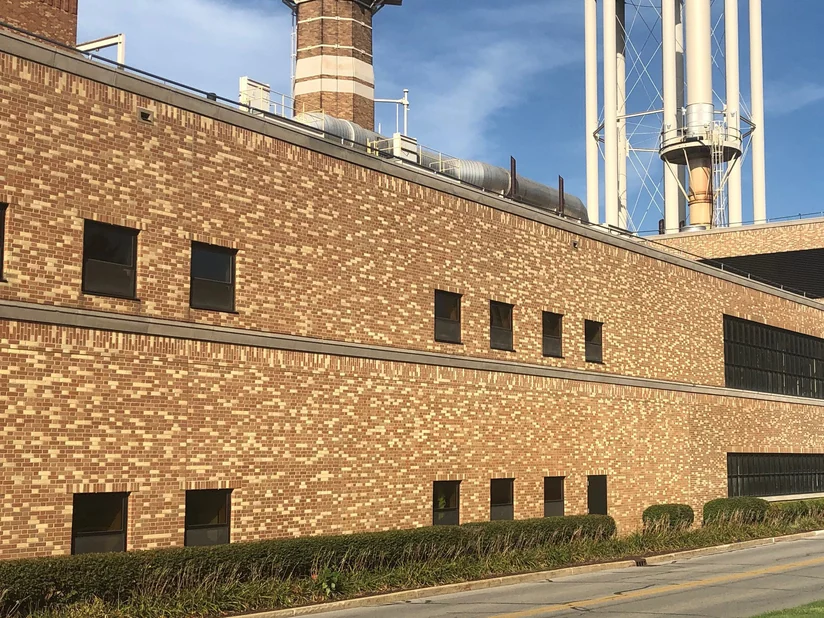
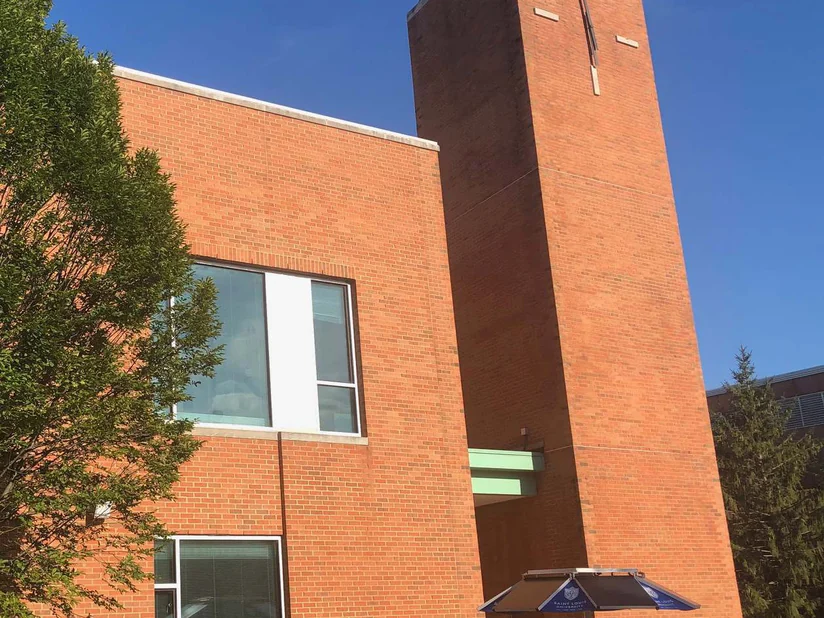
How does it fit an academic calendar?
Staining is brush-applied, quiet, and low-disruption: no demolition, no heavy equipment staging, no recladding logistics. Summer and break windows are usually enough. Phased work across a campus is straightforward because color recipes are documented and repeatable.
How do boards and committees approve the color?
On the building itself. We stain a sample panel on the actual wall, adjust it until it matches the approved intent, and present it for sign-off. The manufacturer's architectural specification provides for exactly this: up to five color-enhanced loose units for color matching, and a field sample on a 10 square foot area of the actual surface of the building to be stained. On board-approved projects the sample panel can precede the full contract, so nobody commits until the real result is standing on the real building.
Working through your architect
Most institutional staining arrives through the design team. If you are the architect or engineer on the project, our specification resources for architects and engineers cover system chemistry, mockups, and submittal documentation. If you are on the facilities or administration side, we are glad to loop your design team in from the first call. Safety data sheets for both components of the stain system are published for district compliance files, downloadable from the document library.
What happens after the ribbon cutting?
Nothing, which is the point. After staining, no maintenance is needed, and any cleaning should be limited to water. No repaint cycle enters the maintenance budget, the color does not fade, peel, or crack, and the work carries a lifetime warranty on materials and workmanship. The stain system we apply has been in the field since 1988, with more than 400 documented case studies, 227 of them holding color past the 20-year mark.