
Brick & Masonry Staining in Chicago Permanent Color for Chicago Brick.
Mineral stain for Chicago common brick, bungalows and campuses, applied by hand and warrantied for life. Thirteen documented projects across Chicagoland.
Chicago bungalows, schools, and offices, stained one brick at a time.
Chicago homes and commercial buildings get the same mineral stain, the same crews, and the same lifetime warranty. What changes is the scale and the paperwork.
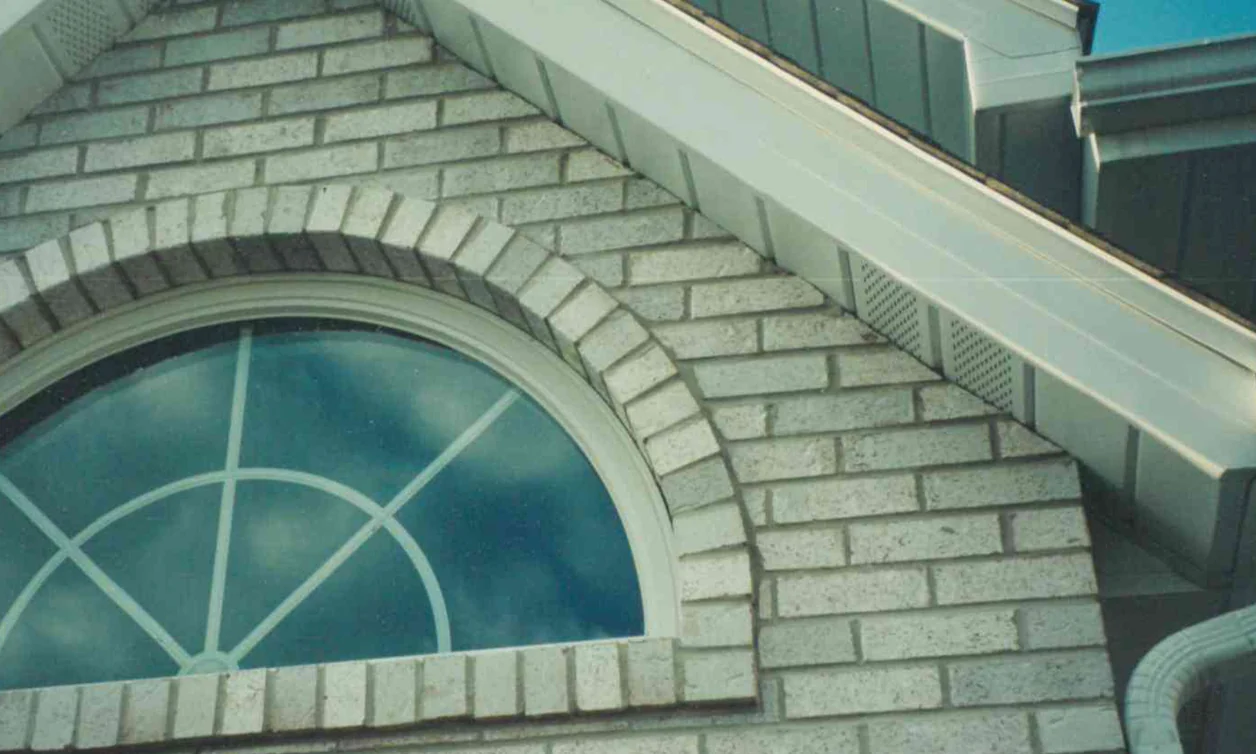
Residential Staining
Color changes on two-flats and bungalows, and repairs that finally stop showing, from the city to the North Shore.
Explore Residential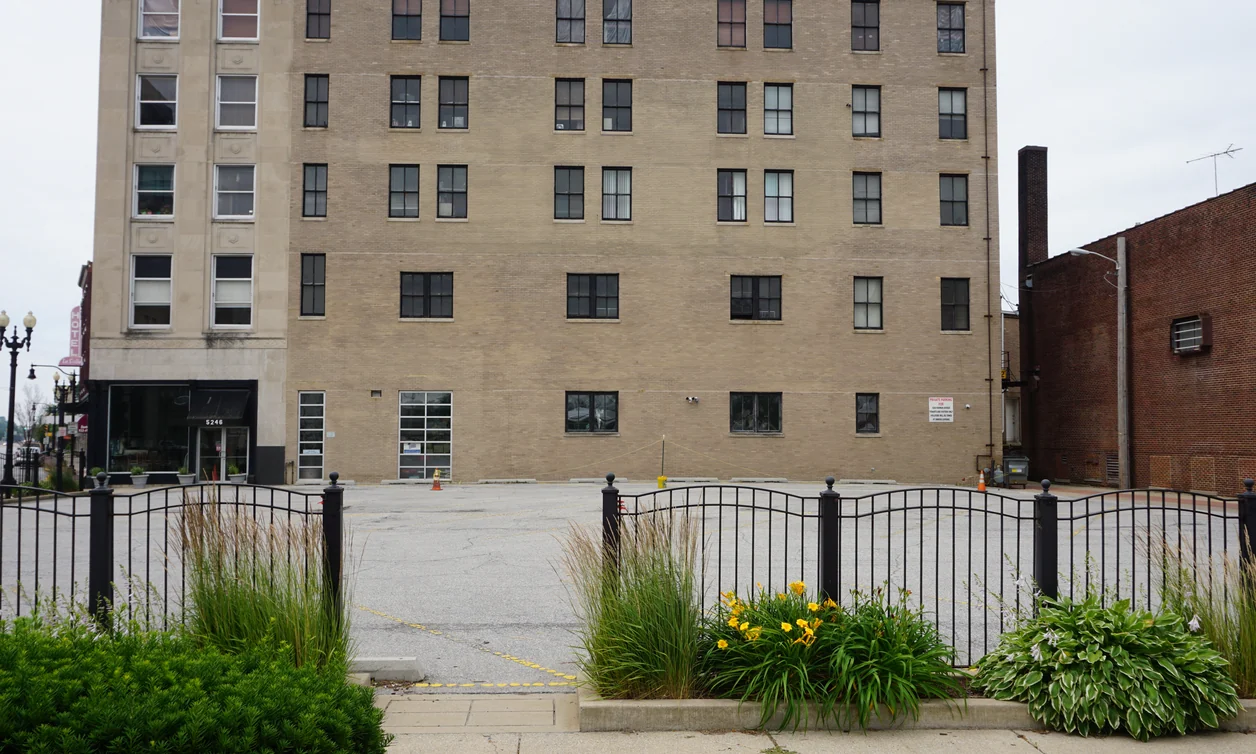
Commercial & Architectural
Schools, hospitals, churches and manufacturer color corrections across Cook, DuPage and Lake Counties, with the documentation to back them.
Explore CommercialBrick staining in Chicago, in a color you specify.
Bramwell-McKay stains brick, block, stone, and precast across Chicago and its suburbs, from our office in Carmel, Indiana, about three hours down I-65. Our crews came up through masonry restoration, and that is still how they read a wall.
The stain is mineral, not paint. Inorganic pigments soak into the masonry and bond with the clay, so the color sits inside the wall instead of forming a film across it. The brick keeps breathing, the texture does not change, and nothing is left on the surface to peel.
Chicago is built of brick more completely than almost any city we work in: the two-flats and the Bungalow Belt, the courtyard buildings, the schools and parishes, the suburbs that grew out along the rail lines. Thirteen documented Chicagoland projects, from Buffalo Grove and Skokie to Orland Park and Hammond, were stained between 1989 and 2004 and photographed again in 2019 or 2021, and ten of them were paid for by a brick manufacturer, distributor or mason correcting a new building.
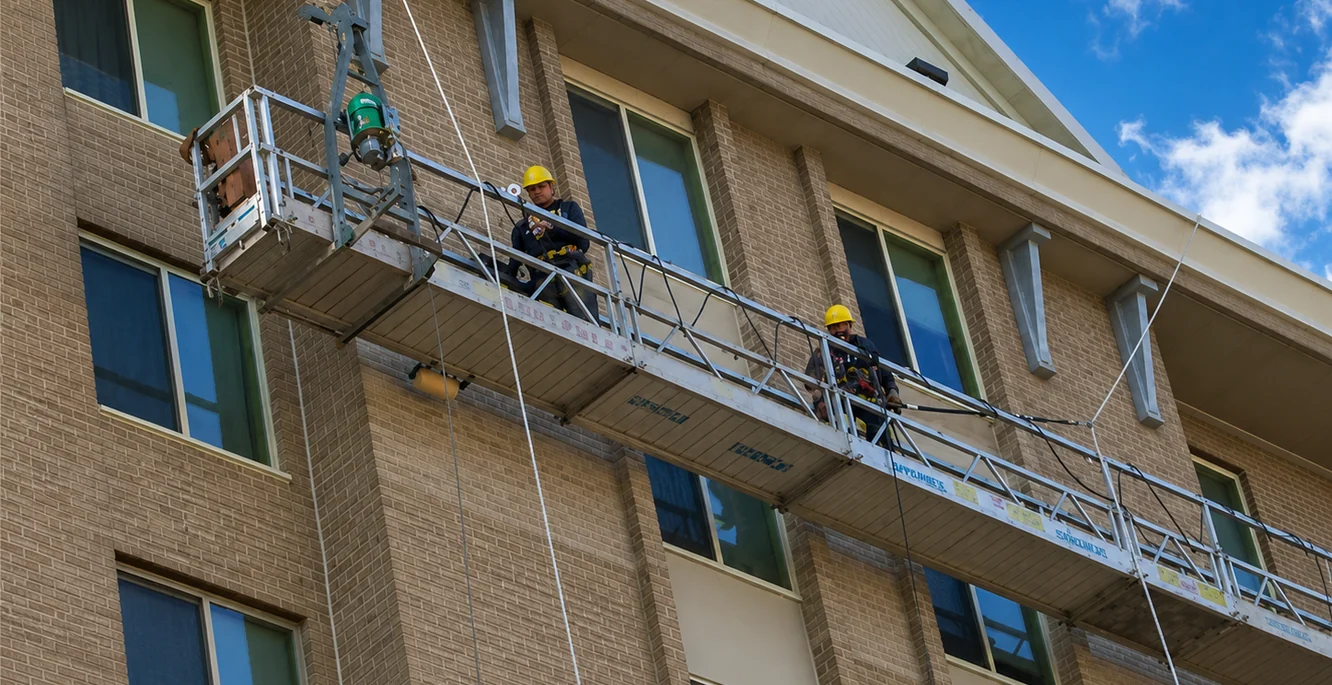
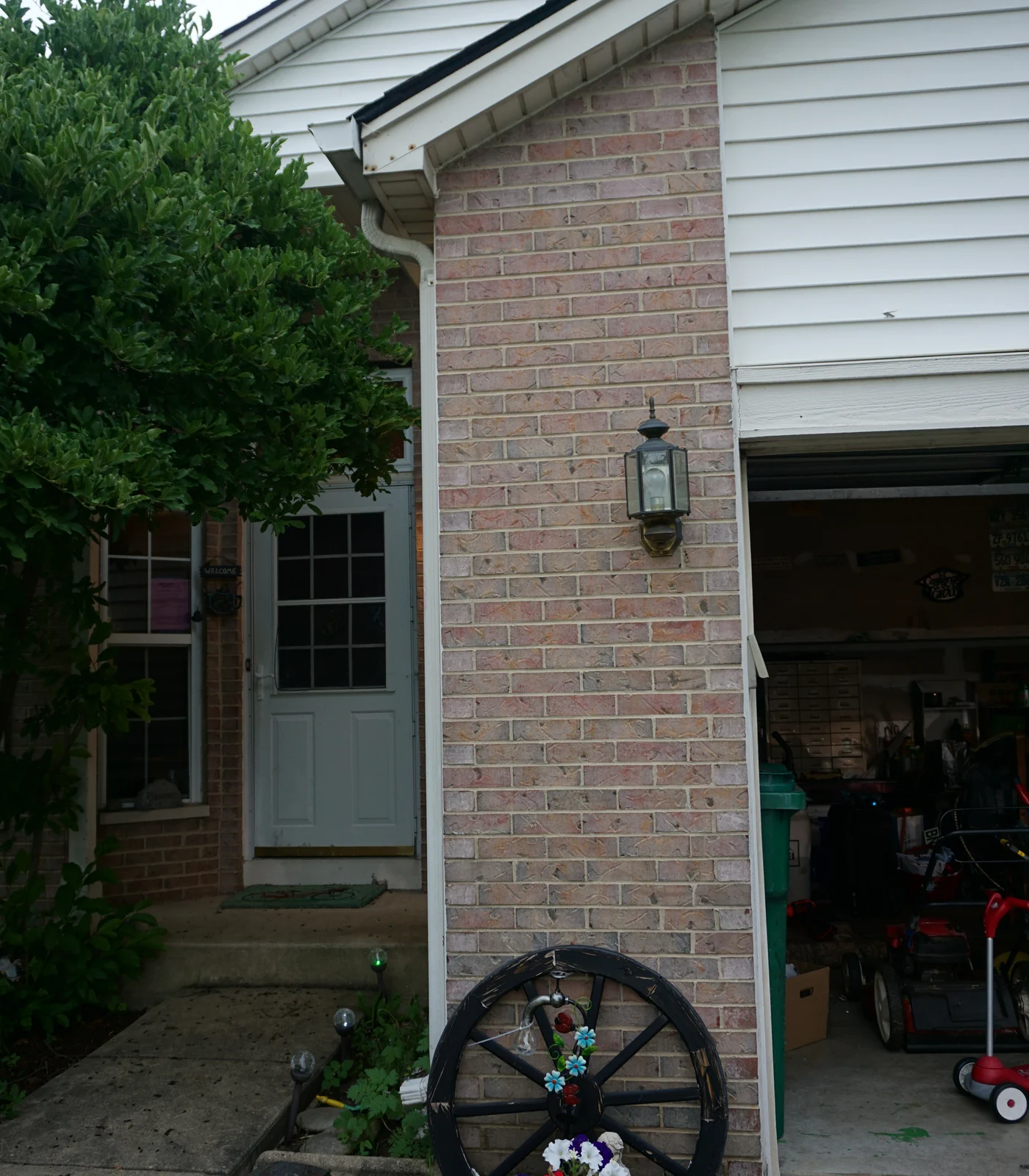
What Chicago calls us about
Chicago brick work sorts into four kinds of call, and the city's age and its winters shape all of them. Each kind has a documented Chicagoland project behind it, photographed the year it was stained and again years later.
-
A two-flat or bungalow in the wrong color
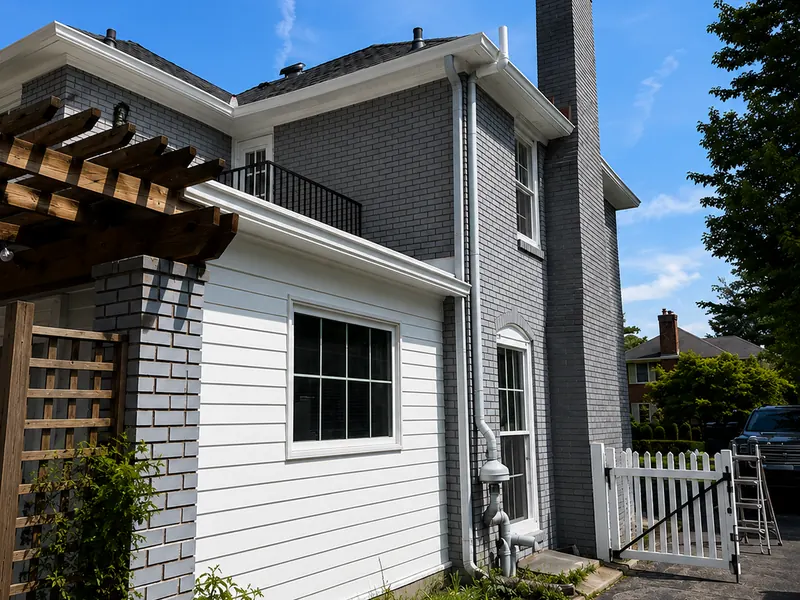
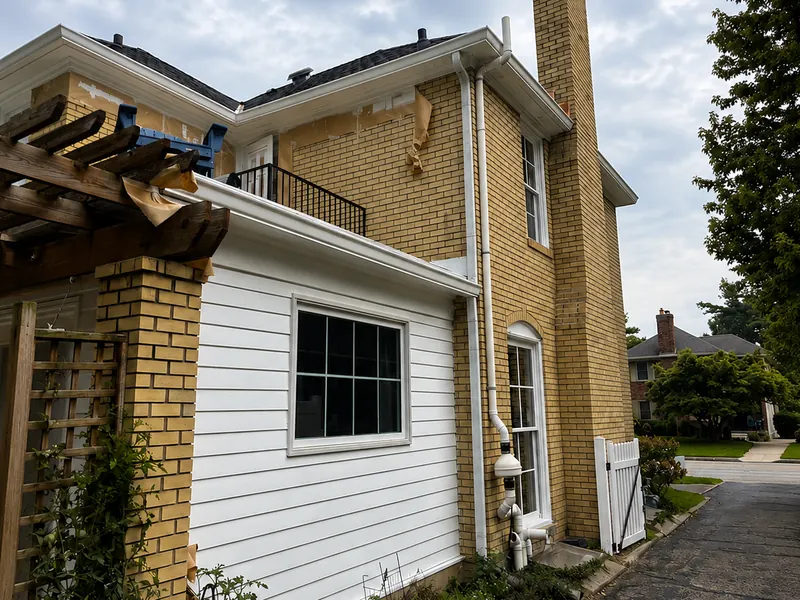
The brick is sound, the house is staying, and the color is a decision somebody made in 1925 or 1960. A whole-home color change moves it permanently without a film that a Chicago winter will lift. The residential brick staining page walks through how it is done.
-
New brick that came out of the kiln wrong
Dark headers, white patches, a delivery that did not match the sample. Most of our Chicagoland files are exactly this, paid for by the manufacturer before the owner moved in. See the Romeoville dark headers and the Mundelein white patches.
-
A school, hospital or church that reads patchy
Institutional walls go up in phases and age unevenly, and the masonry is usually fine. Staining evens the range without taking the building out of service. See the Elmhurst church, the Western Springs school, or the schools and universities page.
-
A commercial facade that has to match
Special shapes, corner units and infill that never matched the field brick. The system is specified under CSI 04 25 10, with submittals ready before you ask. See the Chicago bank corners or the architects and engineers page.
If your Chicago masonry soaks up water, we can stain it
The core of what we do. Any absorbent brick, from Chicago common brick on a 1920s bungalow to new face brick in the suburbs.
The joints between the brick, stained on their own or along with the wall.
Concrete block on a garage, a foundation, or an addition takes stain and keeps its texture.
Limestone, sandstone, and fieldstone can be toned, matched, or evened out.
Faded or mismatched veneer stone gets its color back without replacement.
Patio pavers and cast concrete carry color the same way brick does.
Can we get the color you are looking for?
Almost certainly. Colors are custom mixed, so you are not picking from a little fan of chips.
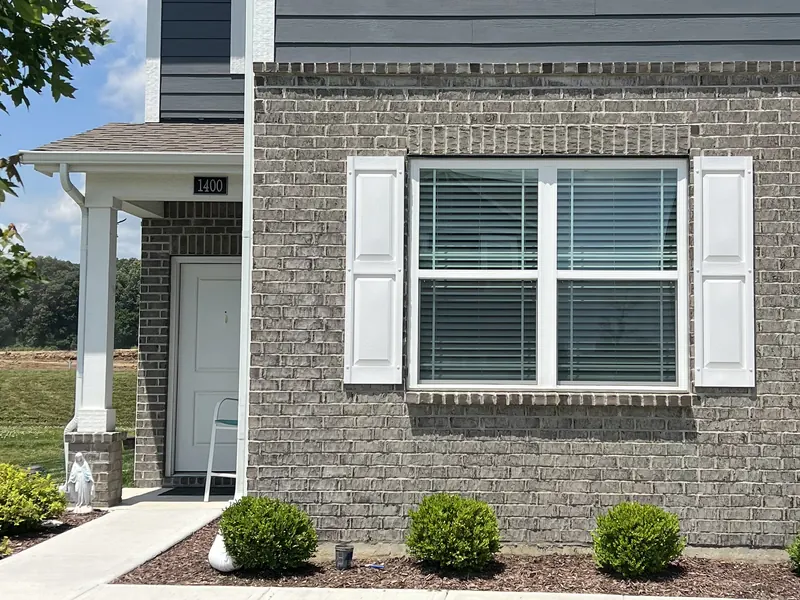
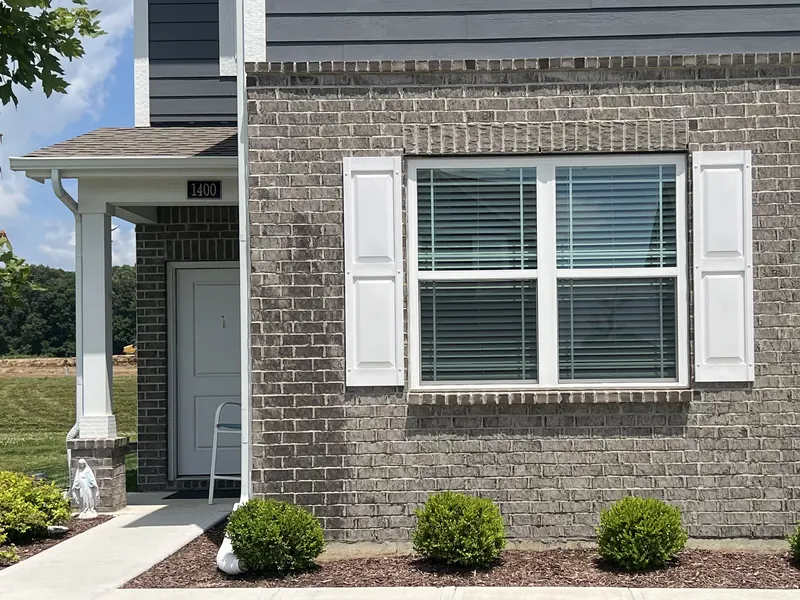
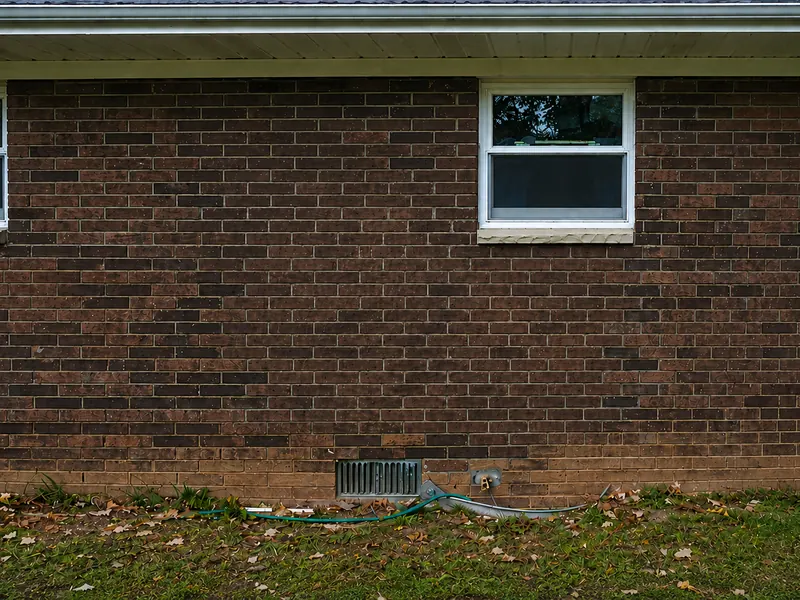
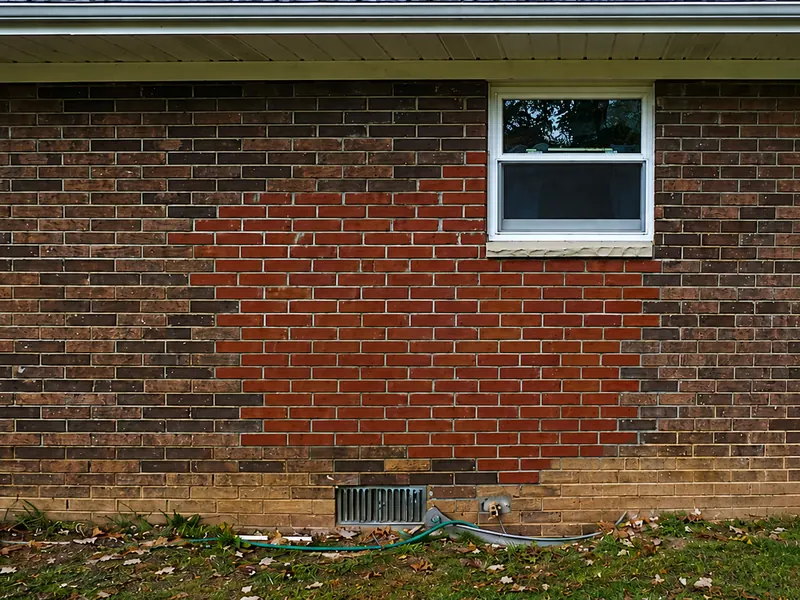
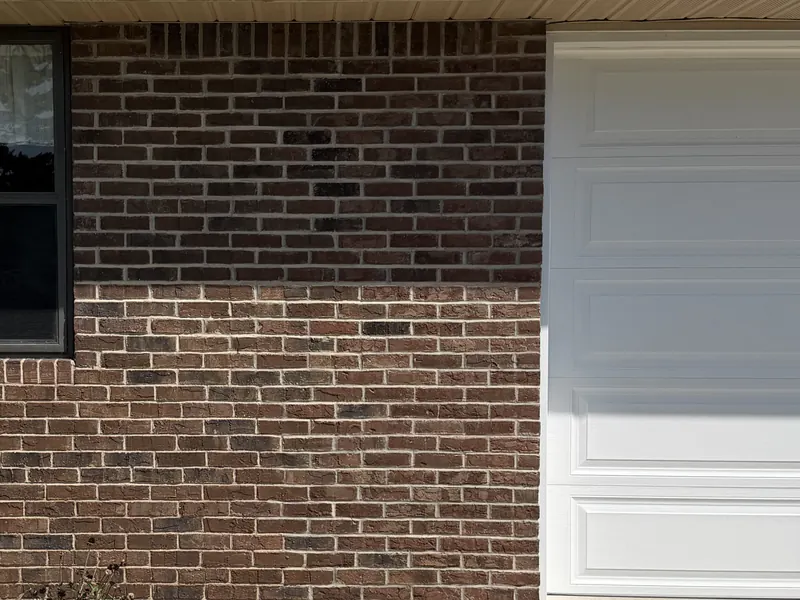
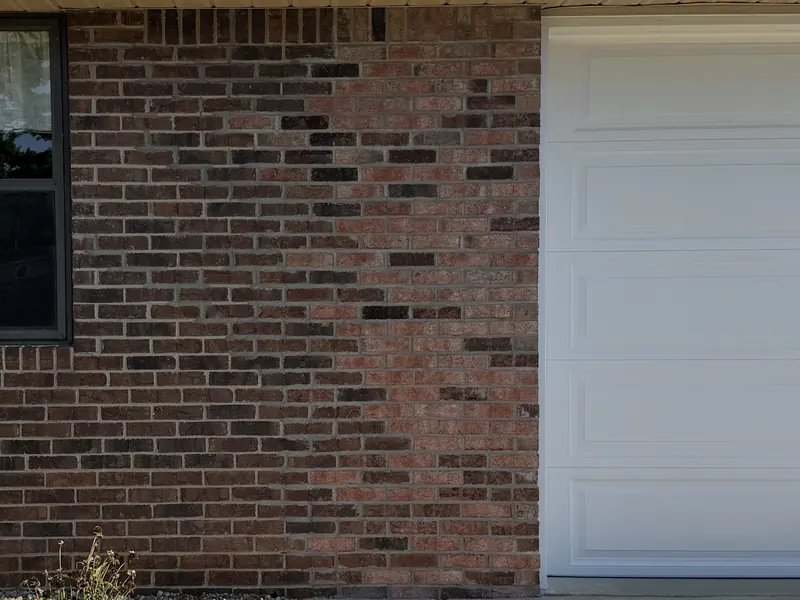
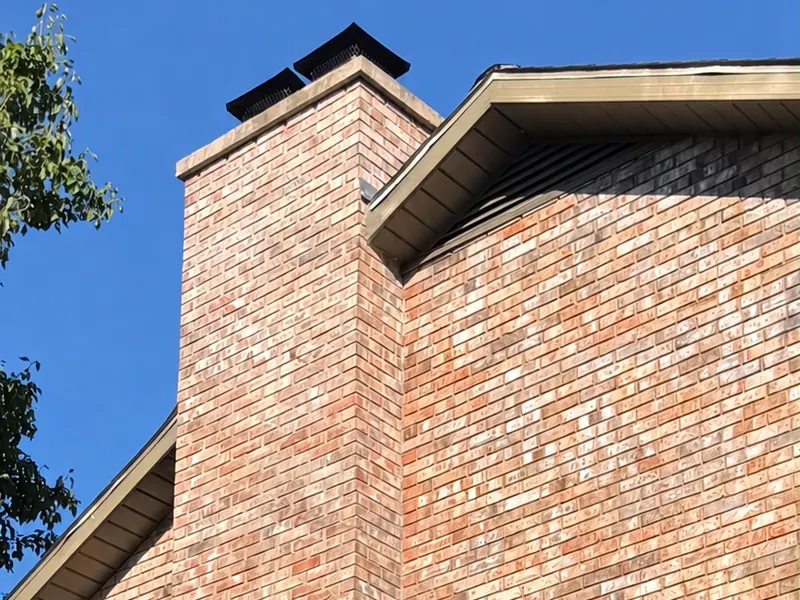
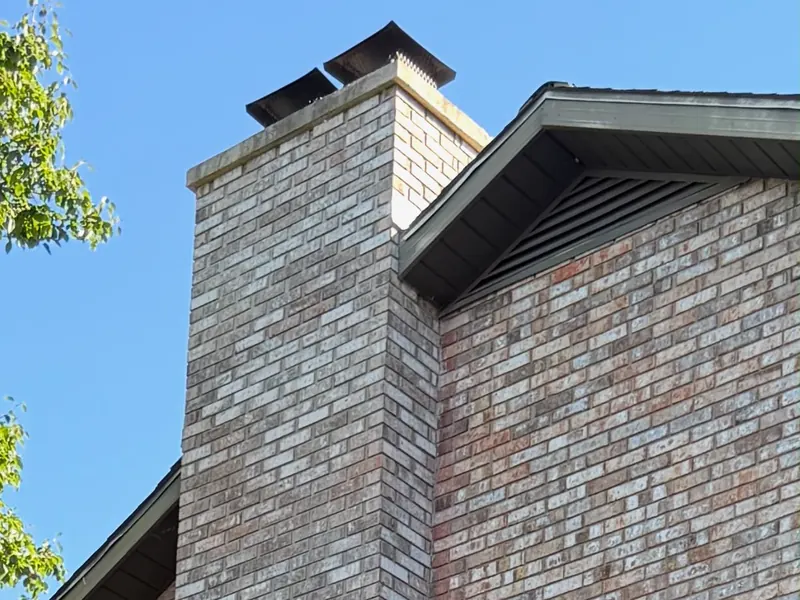
A run of brick that came out brown against a grey wall. Stained to match the courses around it. Both photos are the same afternoon, eighty minutes apart.
Drag to compare. Pick any job to see it.
Darker and richer is easy; going much lighter depends on your brick, and we will tell you straight after we see it. Start at brick stain colors to see what is possible.
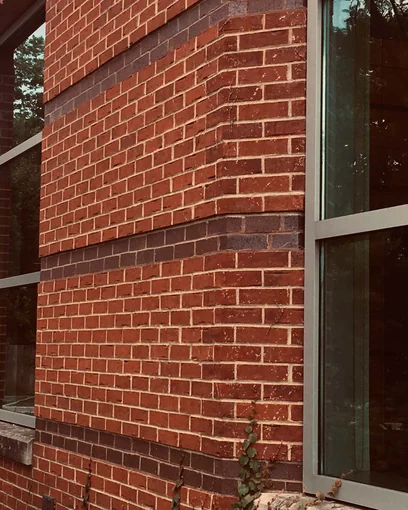
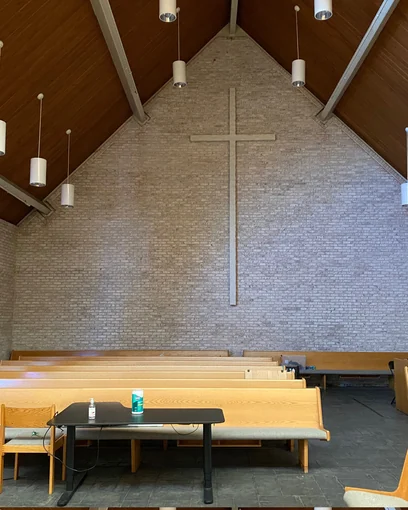
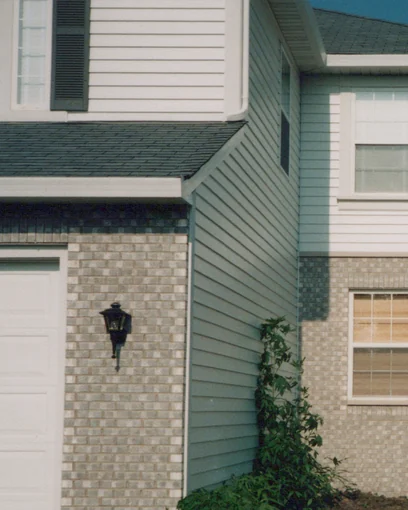
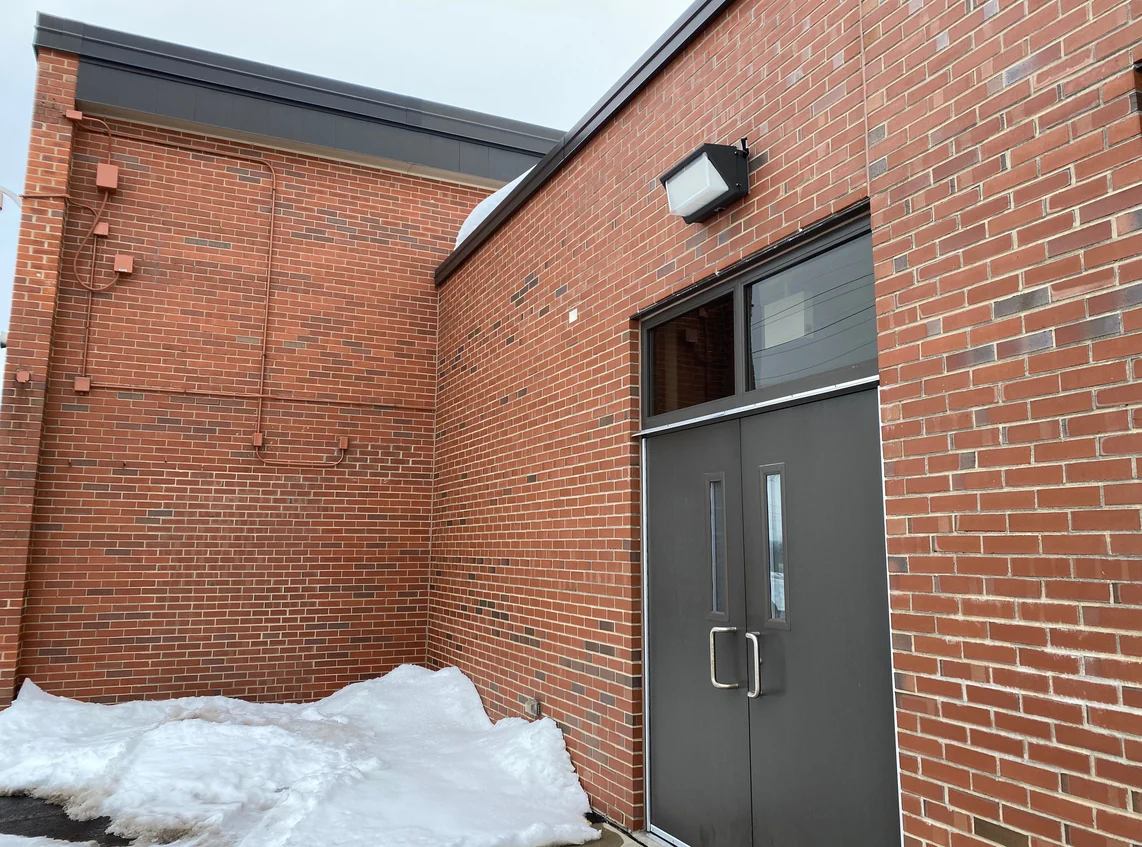
Chicago, Elmhurst and Mundelein, photographed years apart.
How do we know it lasts through a Chicago winter? We go back and photograph it again. Thirteen Chicagoland projects have been re-photographed fifteen to thirty-two years after they were stained, and the brick still looks the way it did the week the crew left.
Why Chicago brick gets stain, not paint
A Chicago winter is the hardest test a coating can face. Brick takes on water and lets it go, and every time the temperature crosses freezing, water trapped behind a film expands and pushes it off the wall. That is why painted two-flats peel in sheets by March. The National Park Service says the same in its guidance on brick masonry: non-permeable paint or other coatings accelerate decay by trapping moisture behind the coating.
Mineral stain leaves nothing on the surface to push off. The pigment is inorganic, it is absorbed into the pore structure, and it bonds with the clay. The Brick Industry Association's Technical Note 6, in its March 2025 revision, states that mineral-based stains are "preferred due to their high water vapor permeability" (opens in a new tab), and our oldest Chicagoland file, a church in Elmhurst, was photographed thirty-two winters after it was stained.
Every finished wall carries a lifetime warranty on the stain system as applied, with the exclusions printed: mortar deterioration is not covered, and a sealer applied over the top later voids it. Read the full warranty, or compare the lifetime cost of each option on brick staining vs painting.
Staining vs Painting, in FullDon't take it from us.
Their expertise in brick staining, especially matching historic brick that's no longer available, is exceptional. It's not just close; they achieve a level of color and texture blending that makes repairs virtually disappear… Bramwell McKay employs master masons directly rather than relying on subcontractors, and it shows in the consistency and craftsmanship of their work… Whether it's restoration, repair, or new work that needs to tie seamlessly into an older structure, they bring a level of knowledge and execution that's hard to find.
They did a nice job staining my brick to match the house. Very professional job. Cleaned up after themselves. And [were] very conscientious of what they did and how they did it.
I had a brick repair on the front of my house that did not match the rest of the brick at all. I sent samples and pictures, and he figured out the stain colors for me, and he even noticed the mortar color was wrong and had me fix that first. Great product and even better service.
Masonry staining for Chicago, from the Bungalow Belt to the North Shore.
Chicago common brick is its own material: soft, absorbent, made from local clay, and varied from salmon to yellow in a single wall. It is also exactly what brick staining is suited to, because a stain needs a surface that drinks it in. The color goes into the face of each unit and stays there, and the wall keeps its texture.
Painting vs. brick staining is the decision most Chicago owners are making when they call, usually on a two-flat that somebody painted decades ago and that now peels every spring. Paint is a film over the brick; stain becomes part of it. One needs redoing every few years, the other is done once and warrantied for life.
Masonry staining covers more than brick. Limestone trim, block, mortar and cast stone take the same mineral stain, from a single bungalow to a school campus in DuPage County, and every color is mixed for the building and proven on its own wall first. The full list is on our masonry staining services page.

What to expect when you work with us
-
Consultation
We take the brief on the first call: the building, its condition, the result you want, and the schedule the work has to fit.
You receive Documented scope -
Site assessment
We evaluate the masonry in person. Substrate condition, existing coatings, access, and how the work has to be sequenced around you.
You receive Condition and access review -
Absorption test
Water on the brick shows how the surface absorbs. Stain bonds into the pore structure, so this result governs whether the substrate qualifies at all.
You receive Substrate go or no go -
Sample panel and proposal
A section of your actual wall, stained and adjusted until the color is approved. It becomes the reference standard. Firm pricing in writing at the same time.
You receive Approved color standard, firm written price -
Application and closeout
Applied by hand with a brush, signed off section by section against the approved panel. Final walk, photo documentation, warranty in writing.
You receive Documented completion, lifetime warranty
Chicago brick staining questions
See your masonry in a new color
Two ways to reach us, and both go straight to a real person. We usually get back to you the same day.
Fill out the form
The form asks for what a real quote needs: the address, what the brick looks like now, and photos or drawings of the wall. Fill it out once, and we come out already knowing the job.
Request a QuoteCall us
A real person answers, and if we are on a wall, we call you right back. Best for a quick question, or if you've never explored stain before and want the full tutorial, we're happy to have a real person call and talk it through with you.