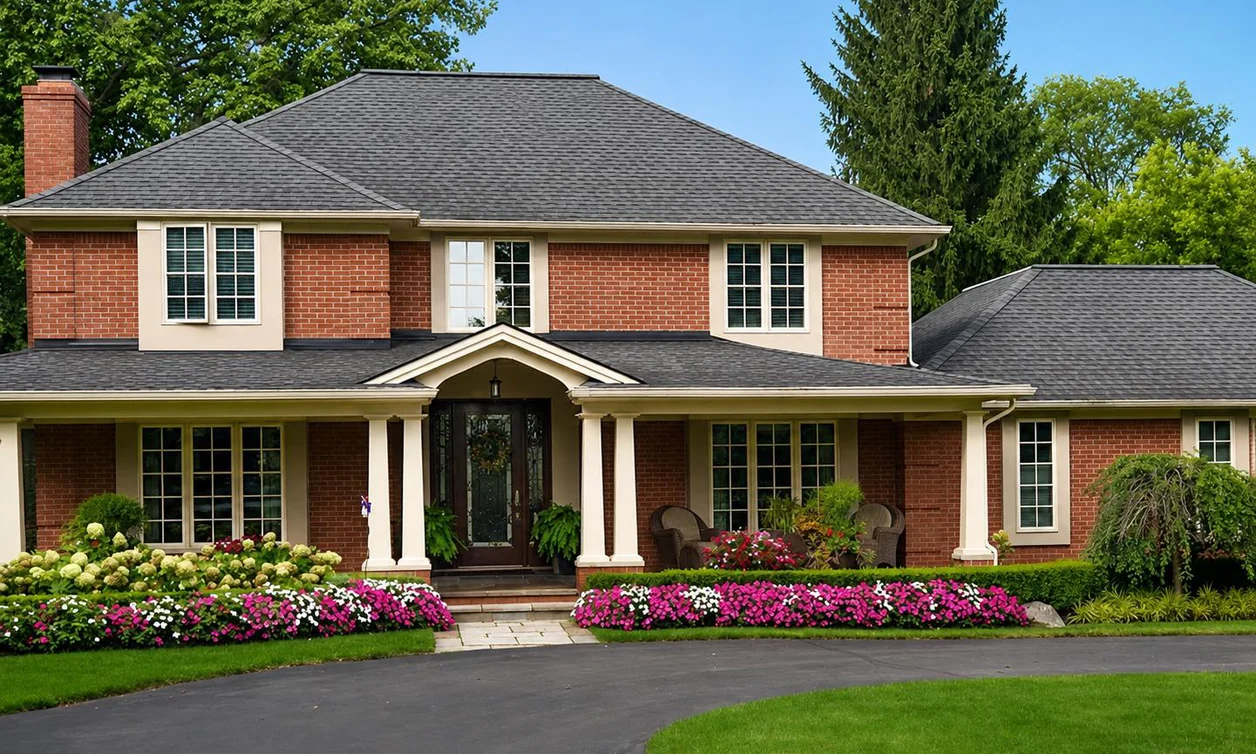
For homeowners
Residential Staining
Full home color changes for people who want the brick to finally match the rest of the house.
Explore Residential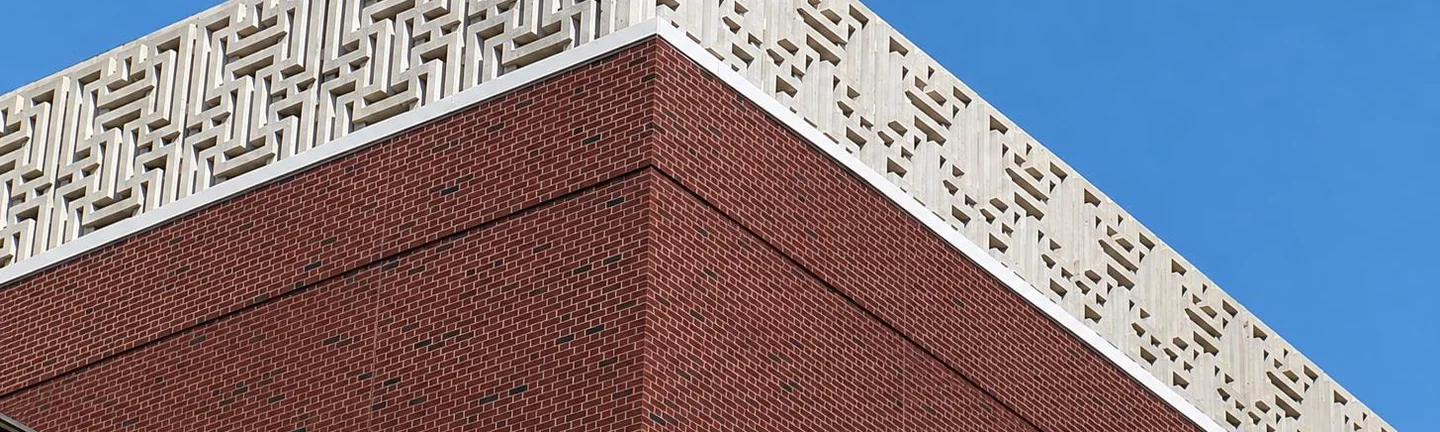
One service, done right: permanent mineral-stain color for brick, mortar, block, and stone. On a single fireplace or an entire campus.
Homes and commercial buildings get the same mineral stain and the same lifetime warranty. Pick your side, or keep reading for the full picture of the work.
Full home color changes for people who want the brick to finally match the rest of the house.
Explore Residential
Specifiable mineral stain systems for renovations, additions, and color corrections, with the documentation to back them.
Explore CommercialSix ways the same system gets used. Every one is permanent, and every one is color-approved on a stained sample of your own wall before the full application.
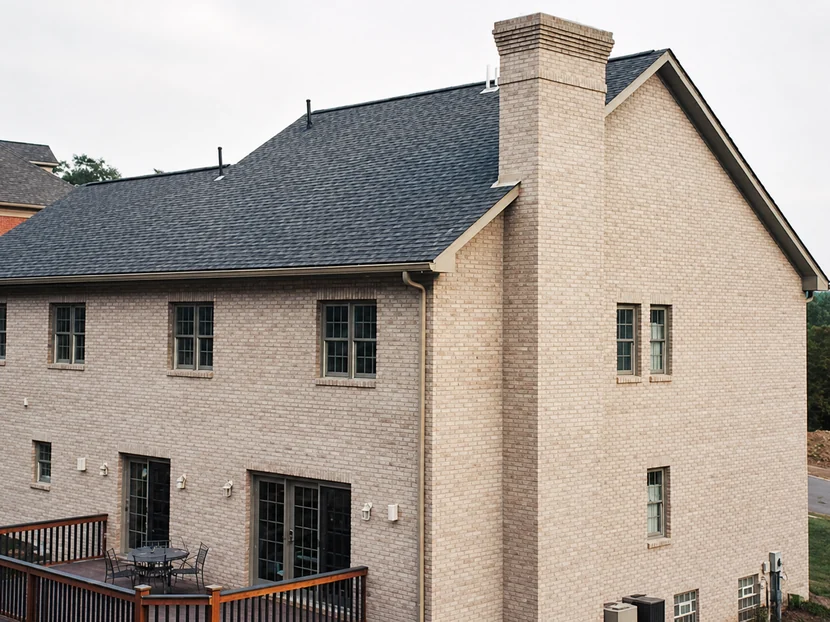
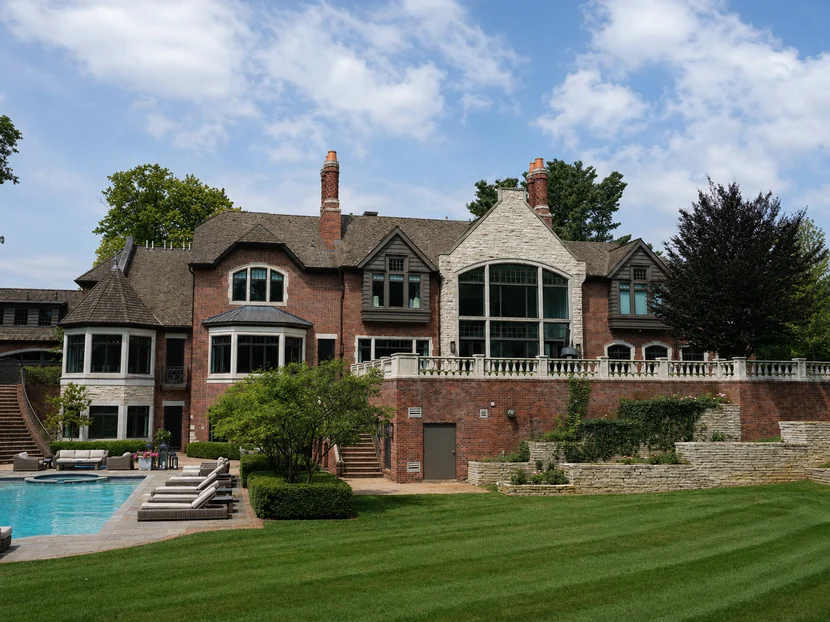
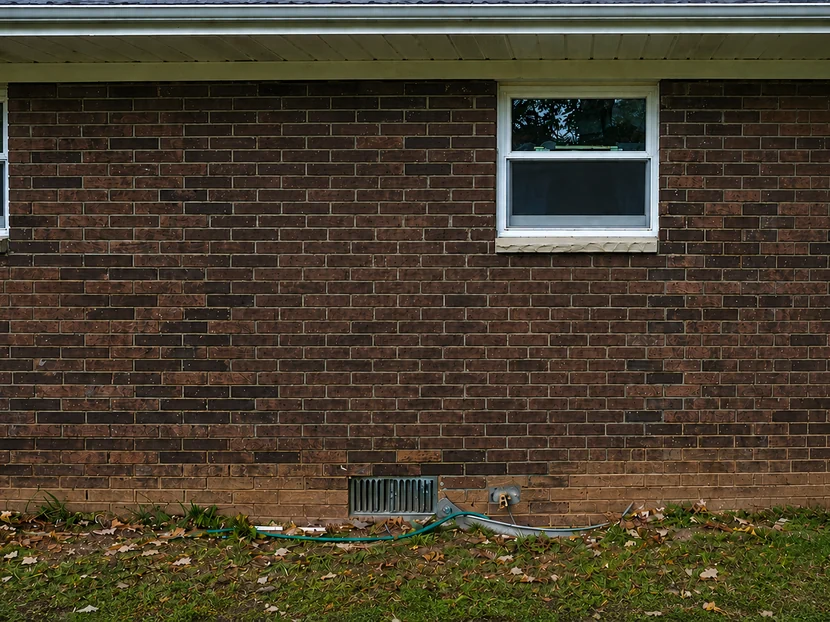
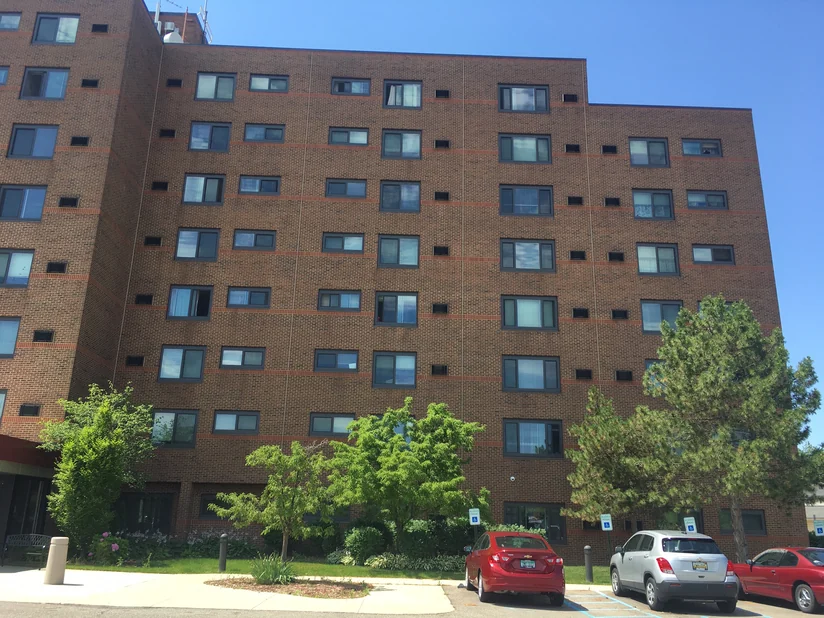
A brown run of brick evened into the grey wall around it, a repair matched into the original masonry, new brick matched to the older wall beside it, a flat wall given the blended range of the building behind it, and a home 25 years after staining. Drag to compare, and pick any job to see it.
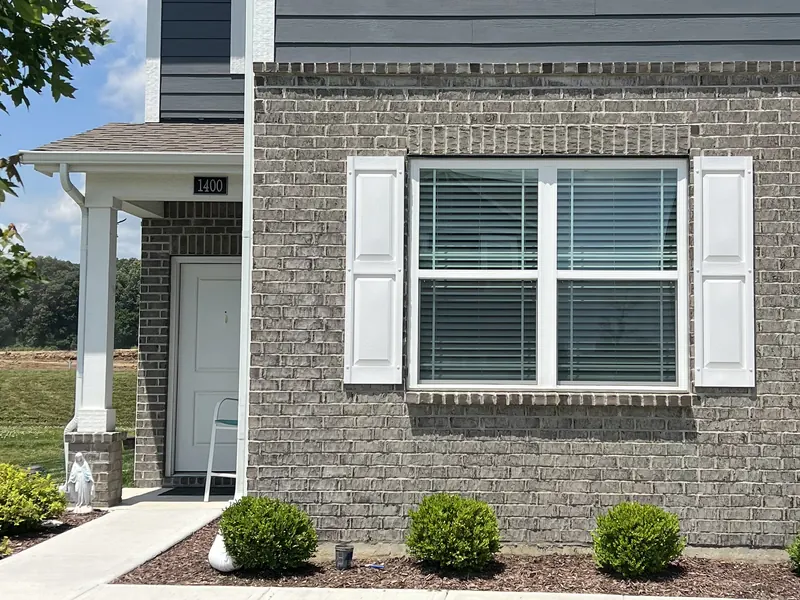
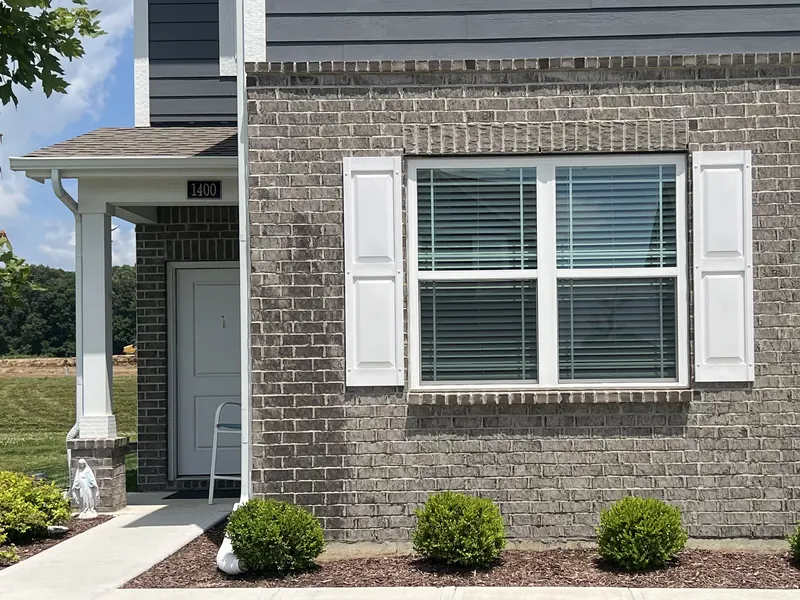
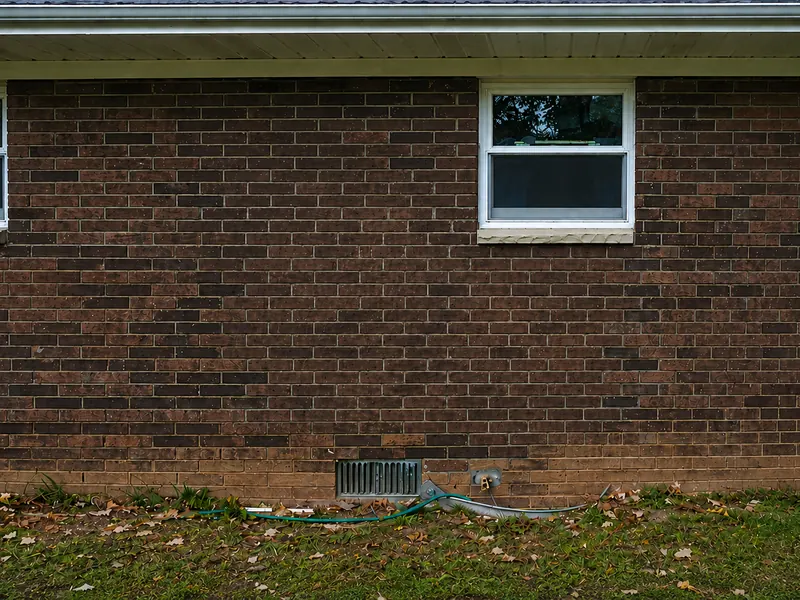
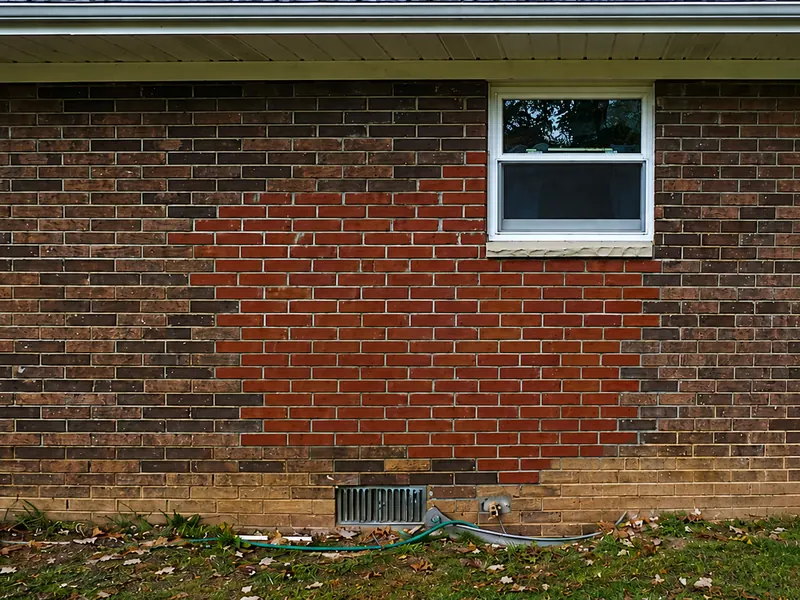
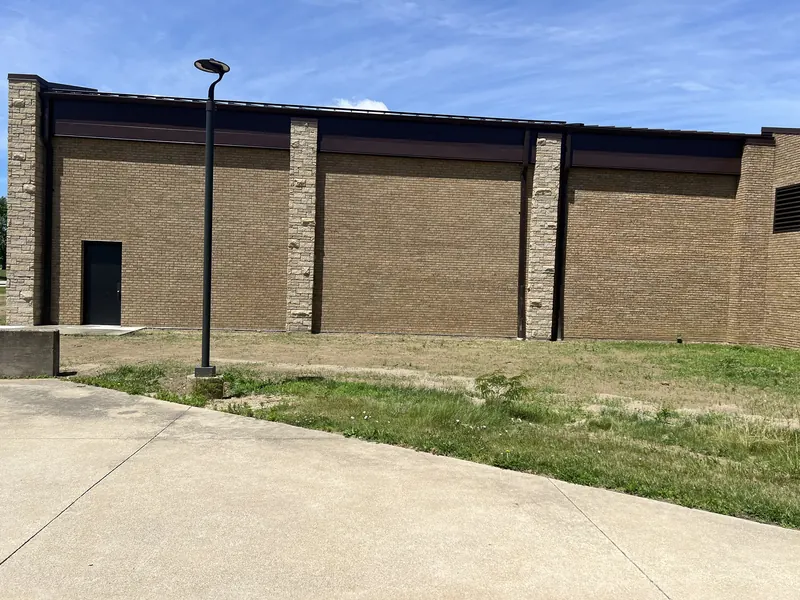
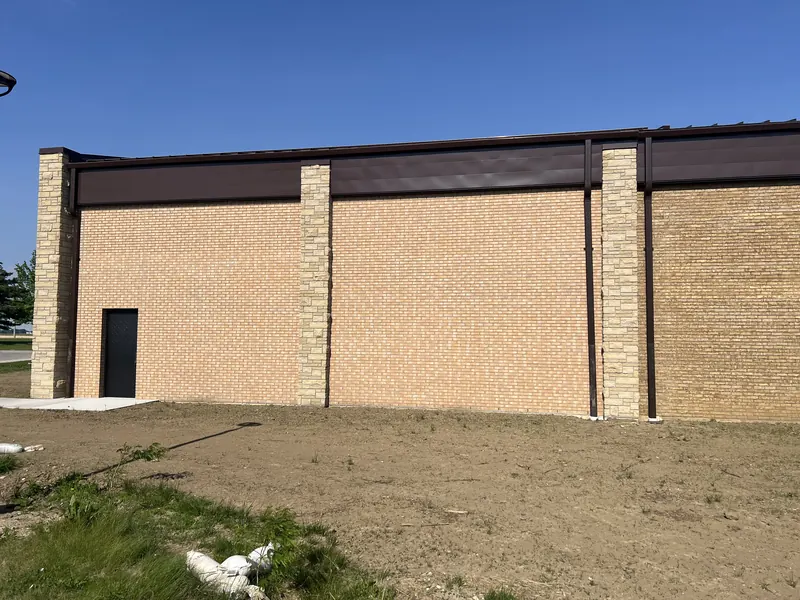
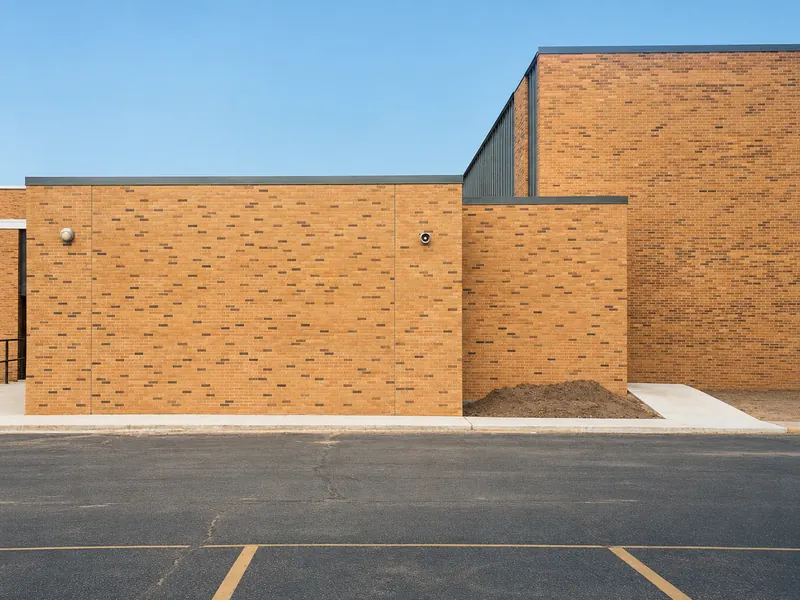
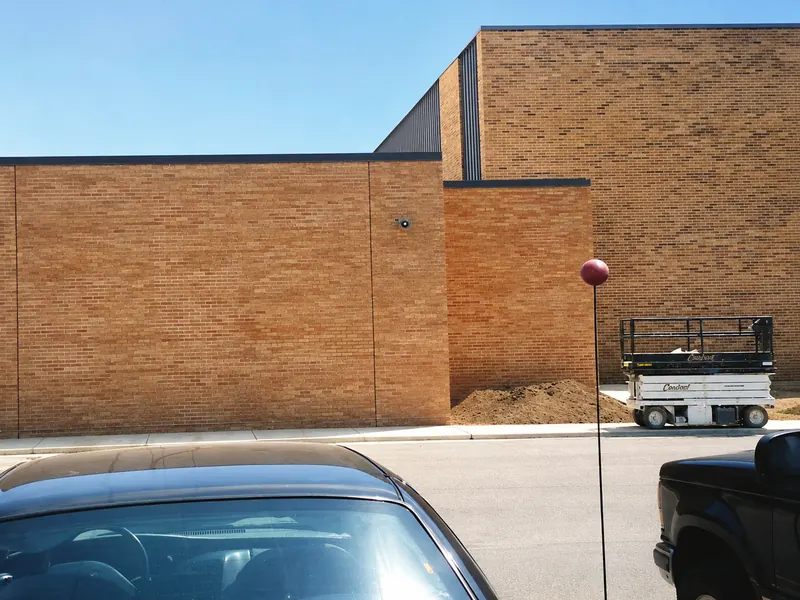
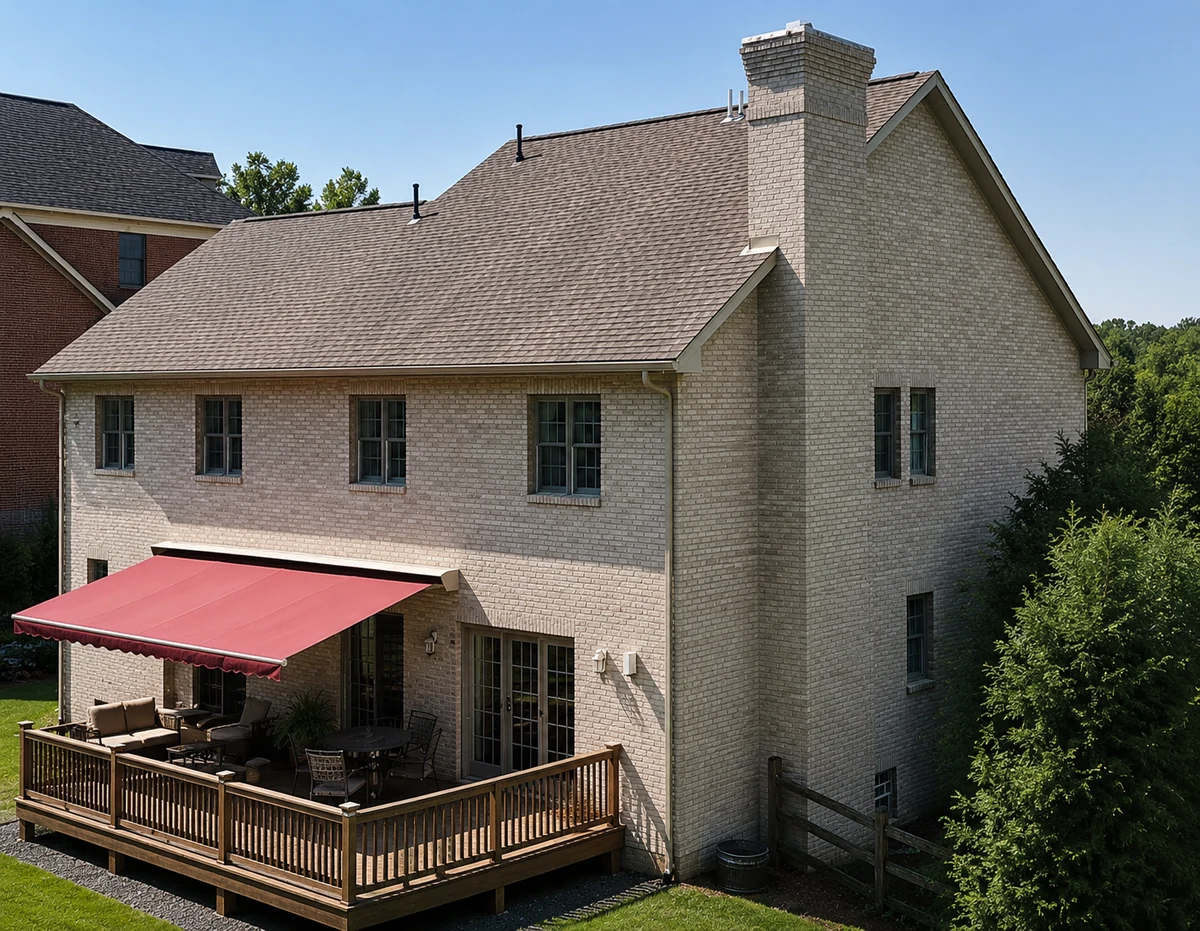
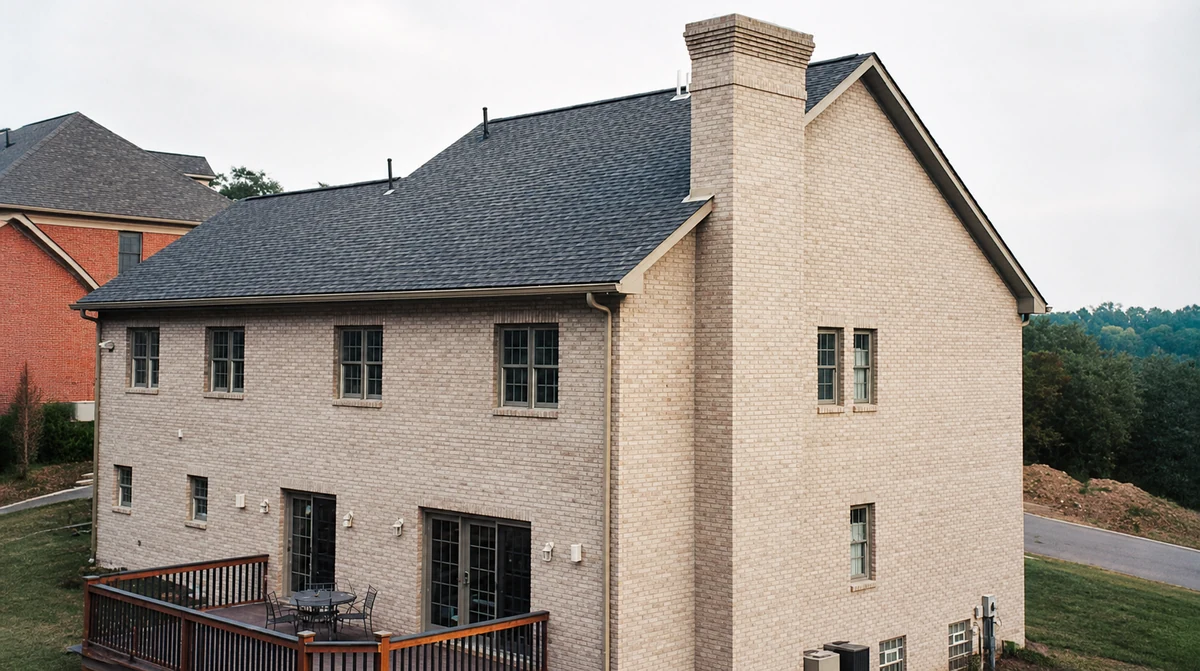
A run of brick that came out brown against a grey wall. Stained to match the courses around it. Both photos are the same afternoon, eighty minutes apart.
Drag to compare. Pick any job to see it.
The core of what we do. Any absorbent brick, from a 1920s home to new construction.
The joints between the brick, stained on their own or along with the wall.
Concrete block on schools, warehouses, and additions takes stain and keeps its texture.
Limestone, sandstone, and fieldstone can be toned, matched, or evened out.
Faded or mismatched veneer stone gets its color back without replacement.
Precast pavers and cast concrete carry color the same way brick does.
The stain is a mineral system, not a coating. What goes on the wall is pigment, water, and a bonding agent, nothing else.
Staining has real limits, and knowing them is part of the trade.
Paint, sealers, waterproofing, and anything else that blocks penetration must come off first. The one-minute water test settles it.
The specification calls for surface and air temperatures in that range and a dry wall. No staining in rain, snow, or fog.
Dense, smooth masonry also takes the pigment more slowly than porous brick. The water test tells us before anyone commits.
A sealer applied over stained masonry voids the warranty. Cleaning is limited to plain water with no pressure washing, which is also all the wall needs.
Tell us what you have and what you want.
We look at your masonry in person.
A minute of water on your brick tells us it will take stain.
A firm quote, and a stained sample panel on your own wall.
We stain it, walk it with you, and hand over the lifetime warranty in writing.

Every service on this page uses the same mineral stain system, in the field since 1988. Brick staining itself is older still: the brick industry has accepted the practice since at least 1960. No ASTM standard exists for masonry stains, so the proof standard is documented case histories. That is why projects are photographed when they finish, then photographed again years later.
Full home makeovers, repairs that disappear, and the staining vs painting question, in plain language.
For HomeownersThe specification (CSI 04 25 10), substrates, submittals, safety documentation, and warranty terms.
For ArchitectsColor complaints resolved, additions matched, and punch lists cleared without tear-down.
For BuildersCampus color changes planned around academic calendars, with documentation boards can approve.
For InstitutionsA quote, and a sample panel on your actual wall before anything else.
Request a Quote